

When people talk about India’s semiconductor ambitions, they usually picture clean rooms, silicon wafers and billion-dollar fabs. Few think about the trucks, warehouses and climate-controlled storage that keep those fabs running.
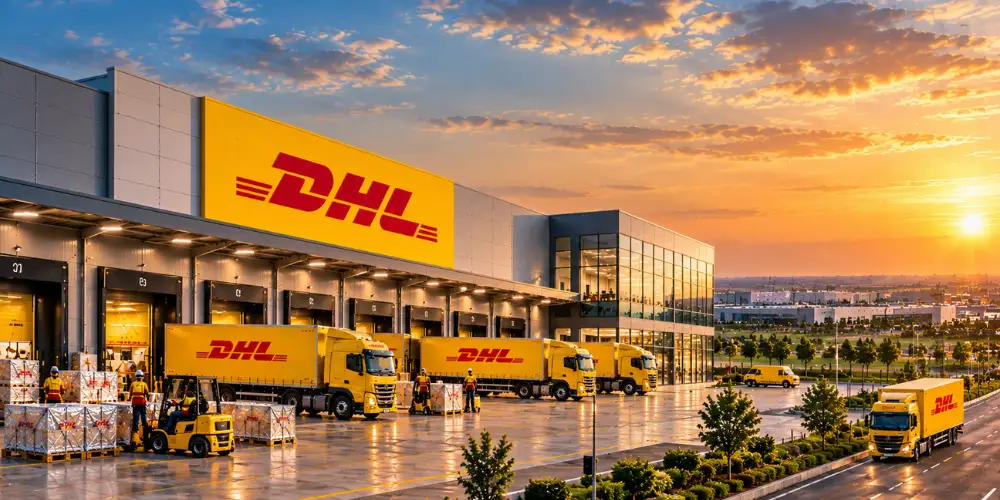
That quiet backbone just got a major boost. DHL Group plans to invest roughly ₹50 crore in a dedicated semiconductor logistics facility in Dholera, Gujarat. The site sits close to the Tata Electronics chip fabrication plant, and operations are expected to begin by August 2027.
It is a modest number on paper. But the DHL Dholera semiconductor warehouse could prove far more important than its price tag suggests.
At a Glance: The Key Facts
Before diving deeper, here is a quick snapshot of the announcement:
| Detail | Information |
| Company | DHL Group |
| Location | Dholera Special Investment Region, Gujarat |
| Investment | Approximately ₹50 crore (initial) |
| Purpose | Dedicated semiconductor warehousing and logistics |
| Nearby anchor | Tata Electronics’ chip fabrication plant |
| Expected start | August 2027 |
| Part of | DHL’s ₹10,700 crore (€1 billion) India investment plan |
This will be DHL’s first warehouse in India built specifically for the semiconductor sector.
Why Chips Need Special Logistics
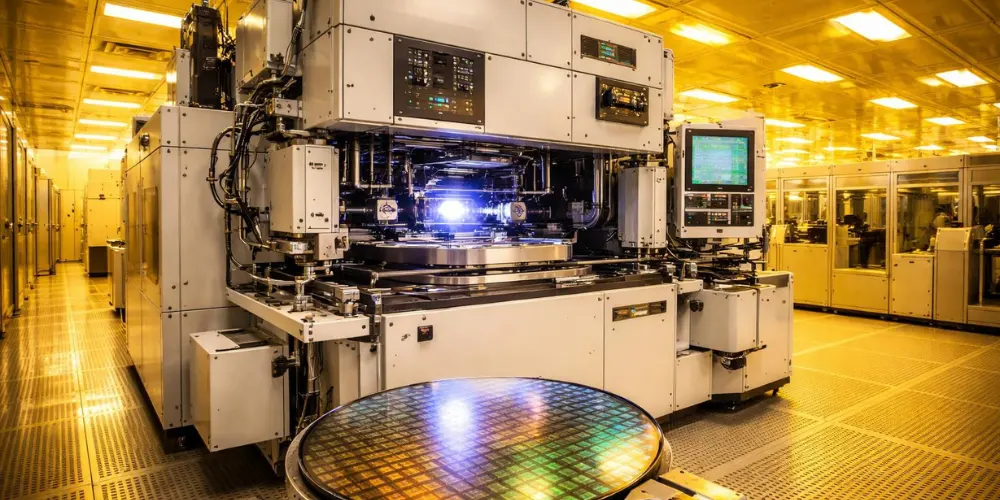
Semiconductors are not ordinary cargo. You cannot stack them in a regular godown and hope for the best.
Chip manufacturing depends on a long list of sensitive inputs. These include specialty gases, ultra-pure chemicals, photomasks, wafers and precision equipment parts. Many of them react badly to heat, humidity, dust or static electricity.
Even a small handling error can ruin an expensive batch. A single delayed shipment can stall a production line that costs crores per day to run.
That is why fabs worldwide rely on logistics partners who offer:
- Temperature and humidity control for sensitive materials
- Clean, dust-free storage zones
- Electrostatic discharge (ESD) protection for components
- Hazardous material handling for chemicals and gases
- Real-time tracking and tight inventory planning
A general-purpose warehouse simply cannot meet these standards. A purpose-built facility can.
Why DHL Picked Dholera
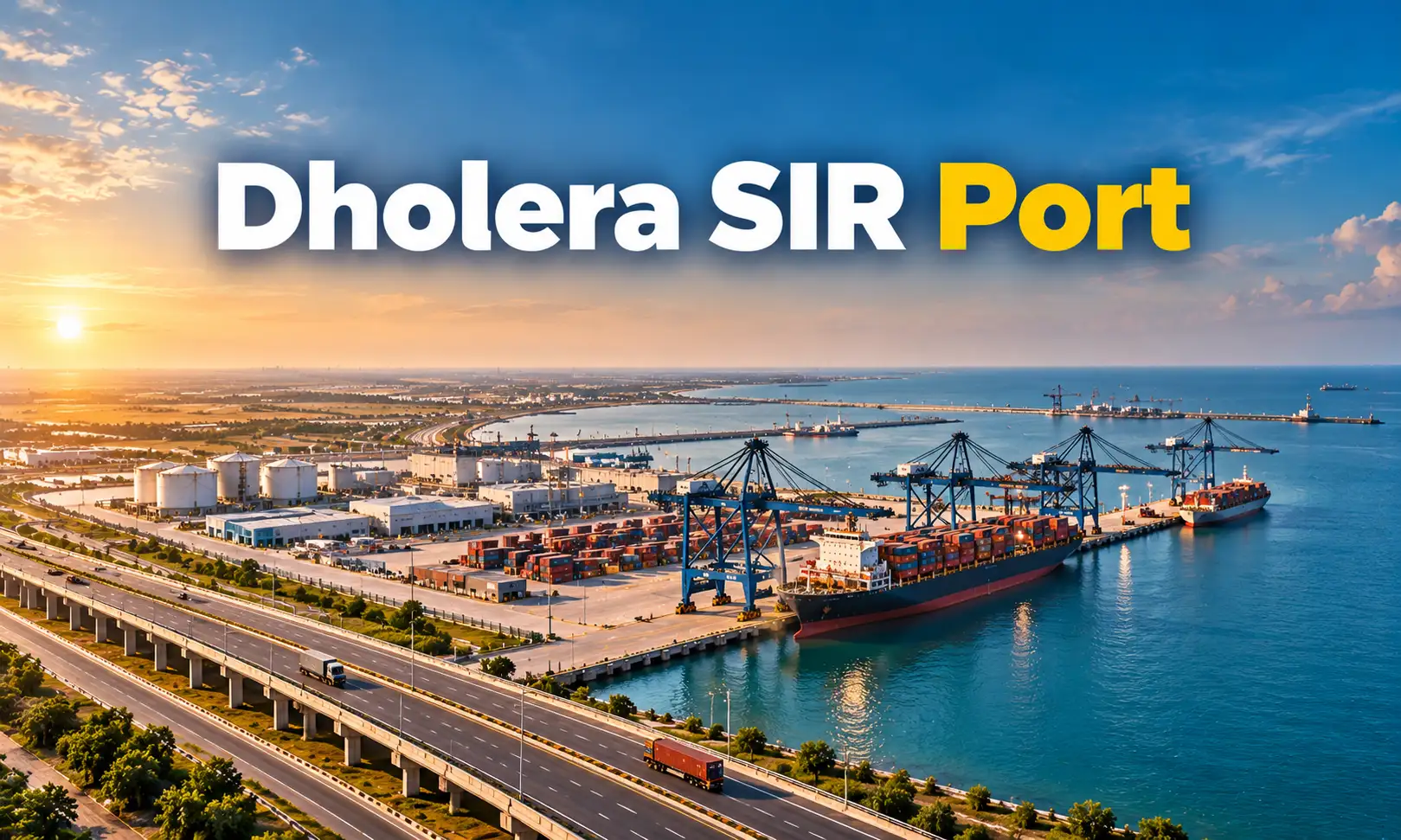
The location choice is no accident. Dholera has quickly become the centre of gravity for India’s chip industry.
The Tata Electronics Anchor
Tata Electronics is building India’s first commercial semiconductor fab in the Dholera Special Investment Region. The project carries an investment of around ₹91,000 crore.
The plant is being developed with technology support from Taiwan’s Powerchip Semiconductor Manufacturing Corporation (PSMC). It is planned to handle up to 50,000 wafer starts per month once fully operational.
Tata has chosen to focus on mature technology nodes, ranging from 28nm to 130nm. These chips power cars, appliances, telecom gear and industrial machines — areas where demand is steady and supply shortages have hurt in the past.
A Growing Supplier Ecosystem
A fab never works alone. Tata Electronics has said its Dholera plant will rely on roughly 450 suppliers. To house them, the company is developing a 363-acre vendor park near the facility.
Every one of those suppliers needs to move goods in and out reliably. That creates natural demand for specialised logistics right on the doorstep.
Space to Grow
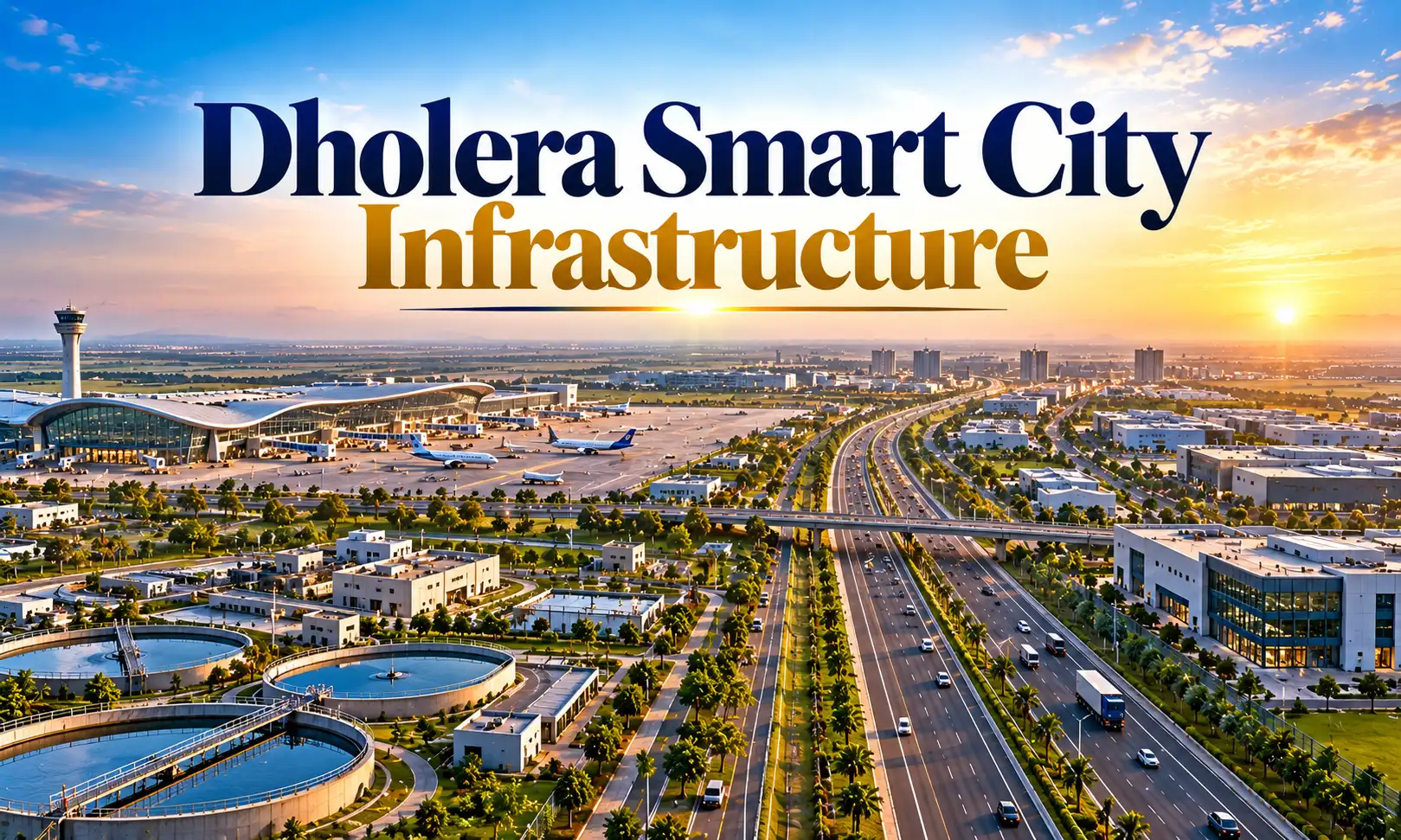
Dholera SIR spans about 929 square kilometres, making it larger than Singapore. The region has been planned with zones for non-polluting industries, along with roads, power and water infrastructure designed for large manufacturing.
For a logistics company, that means room to expand as the cluster grows.
How This Fits DHL’s Bigger India Plan
The Dholera hub is not a standalone move. It forms part of DHL Group’s broader commitment of about €1 billion (roughly ₹10,700 crore) in India, announced in November 2025.
That larger plan covers warehousing, express delivery, freight and supply chain services across the country. The semiconductor facility is one targeted slice of it.
Importantly, the ₹50 crore figure is described as an initial investment. As the Dholera cluster matures, DHL could commit more capital to expand capacity.
Borrowing Lessons from Asia’s Chip Hubs
DHL already supports semiconductor supply chains in Taiwan and Malaysia, two of the world’s most established chip manufacturing regions.
The company plans to draw on that experience in India. This matters because India’s chip ecosystem is brand new. Local teams have limited experience handling fab-grade materials. Importing proven processes from mature markets can shorten the learning curve considerably.
What This Means for India’s Semiconductor Ecosystem
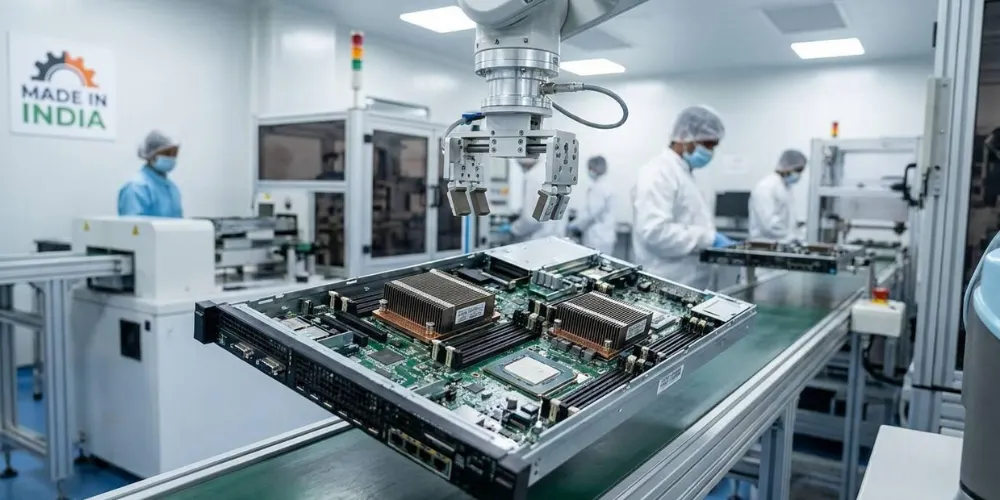
The announcement sends several important signals.
1. Global Players Are Taking Indian Chips Seriously
When a logistics giant like DHL builds sector-specific infrastructure, it reflects real confidence. Companies do not invest in dedicated facilities for industries they expect to fade away.
2. Supply Chain Gaps Are Starting to Close
India’s chip push has often faced one tough question: can the supporting ecosystem keep up? Fabs need suppliers, utilities, talent and logistics all at once.
A specialised warehouse tackles one of these gaps directly. It reduces dependence on distant storage and long transit routes for critical inputs.
3. Clusters Attract More Clusters
Industrial history shows that clusters feed themselves. One anchor plant draws suppliers. Suppliers draw service providers. Service providers make the location more attractive for the next big investor.
DHL’s presence could encourage other global semiconductor-related companies to consider Dholera seriously.
4. Jobs and Skills
Specialised logistics requires trained workers. Staff will need skills in cleanroom protocols, hazardous goods handling and digital inventory systems. Over time, this could help build a local talent pool that benefits the wider region.
Challenges Worth Watching
No major industrial project is free of risk. A balanced view should note a few open questions.
Timeline dependency. The warehouse is designed around the Tata fab. If fab production timelines shift, logistics demand could ramp up more slowly than planned.
Infrastructure readiness. Dholera is still a developing city. Road links, port access and air connectivity will need to keep pace with industrial growth.
Talent availability. Semiconductor-grade logistics is a niche skill. Training enough people in time will require dedicated effort from both companies and institutions.
Global competition. Countries across Asia, Europe and North America are offering heavy incentives to attract chip investments. India must keep its ecosystem competitive on cost, speed and reliability.
None of these are deal-breakers. But they will shape how quickly Dholera grows into a true semiconductor hub.
The Bigger Picture
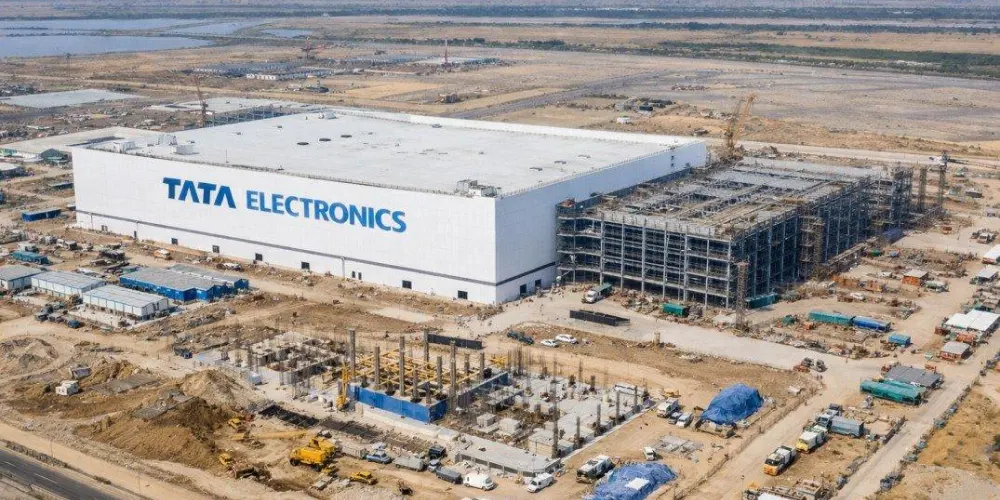
For years, India was largely a consumer of chips designed and made elsewhere. The pandemic-era chip shortage exposed how risky that dependence can be, hitting everything from car production to electronics.
Since then, the government has backed domestic chip manufacturing through the India Semiconductor Mission, including fiscal support for approved fab projects. Tata’s Dholera fab is the flagship of this effort.
Yet a fab is only as strong as the network around it. Materials must arrive on time. Finished wafers must reach packaging and testing units safely. Every link in the chain matters.
That is where the DHL Dholera semiconductor warehouse fits in. It is not the headline-grabbing part of the story. It is the part that helps the headline actually work.
Final Thoughts
A ₹50 crore warehouse will not make front-page headlines next to a ₹91,000 crore fab. But big industries are built on small, smart investments like this one.
By bringing global semiconductor logistics expertise to Dholera, DHL is helping turn India’s chip ambitions into a working supply chain. If the timelines hold, August 2027 could mark a quiet but important milestone in India’s journey from chip importer to chip maker.
Frequently Asked Questions
It is a dedicated logistics facility DHL Group is building in Dholera, Gujarat, to store and handle materials and products for the semiconductor industry.
The initial investment is about ₹50 crore. It is part of DHL’s larger ₹10,700 crore India investment plan.
Operations are expected to begin by August 2027.
Dholera hosts Tata Electronics’ ₹91,000 crore chip fab, India’s first commercial semiconductor fabrication plant, along with a growing supplier ecosystem.
Yes. It will be the company’s first warehouse in India dedicated specifically to semiconductor logistics.