
Some 4,500 years ago, Lothal was one of the busiest ports of the Harappan world. Boats loaded with beads, cotton and copper sailed from its dockyard toward Mesopotamia and the Persian Gulf.
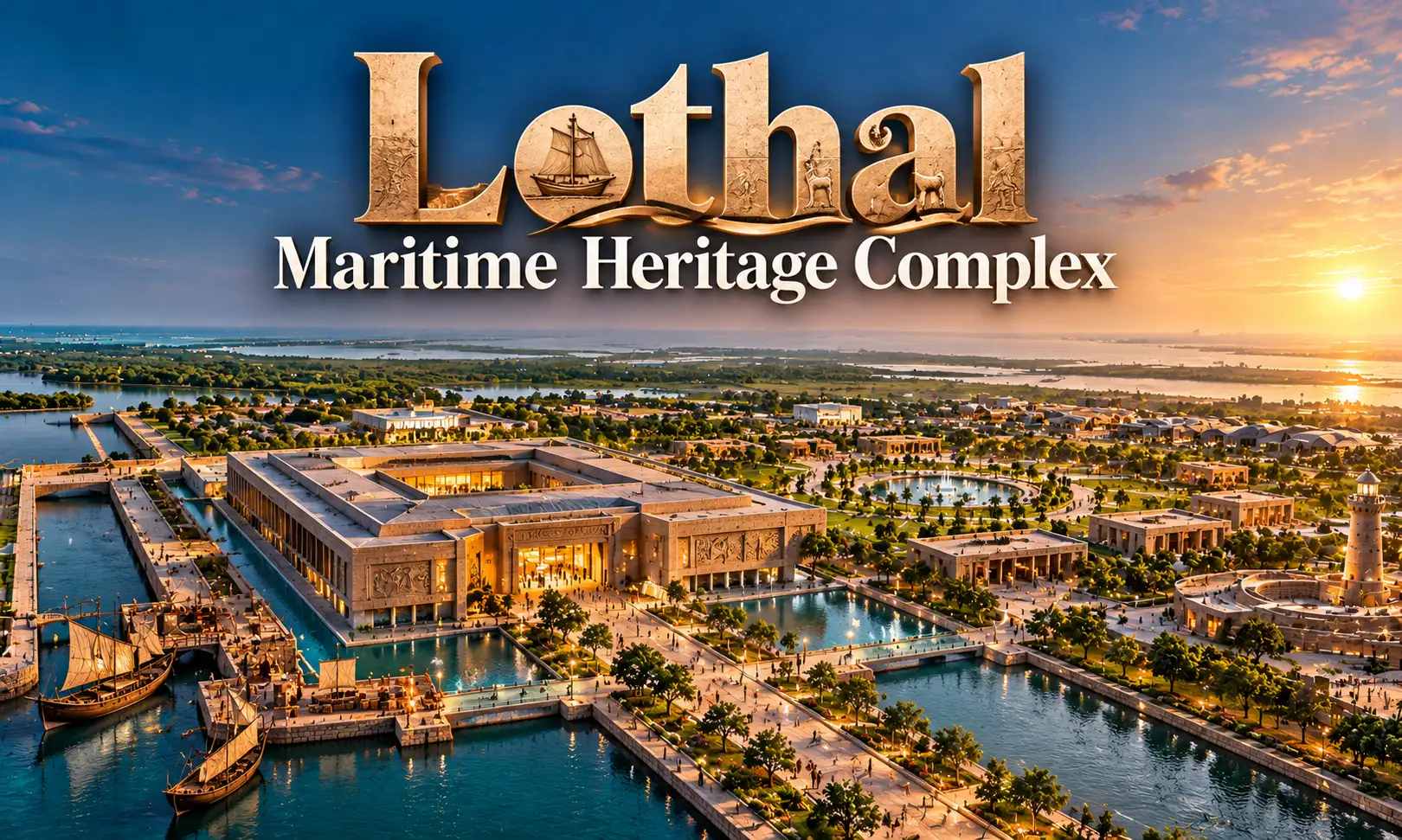
Today, that ancient port town is getting a second life. The Lothal Maritime Heritage Complex is being built as India’s flagship destination for maritime history, learning and tourism.
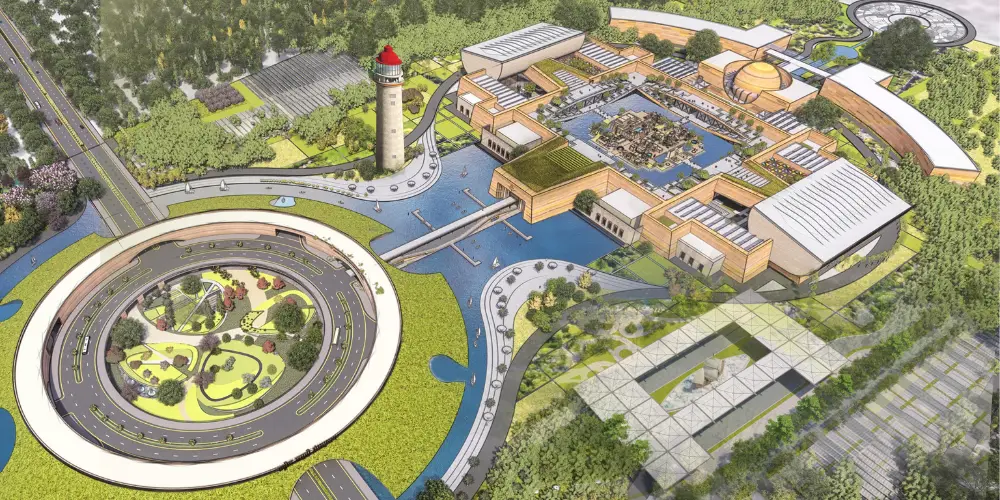
The master plan reads like a voyage through time. It starts with ancient Harappan streets, passes through museums and gardens, and ends at a quiet nature park by the water.
In this guide, we walk through each zone and explain why this project matters for anyone watching Gujarat’s Dholera region.
Why Lothal Was Picked for This Project
Lothal sits in Ahmedabad district, close to the Gulf of Khambhat. Archaeologists believe it held one of the oldest known tidal dockyards on the planet.
That history makes it the natural home for a national maritime showcase. No other site in India links so directly to the country’s earliest sea trade.
The project is being driven by the Ministry of Ports, Shipping and Waterways under the Sagarmala programme. Its goal is simple: tell the full story of India’s relationship with the sea, from Harappan traders to the modern Navy.
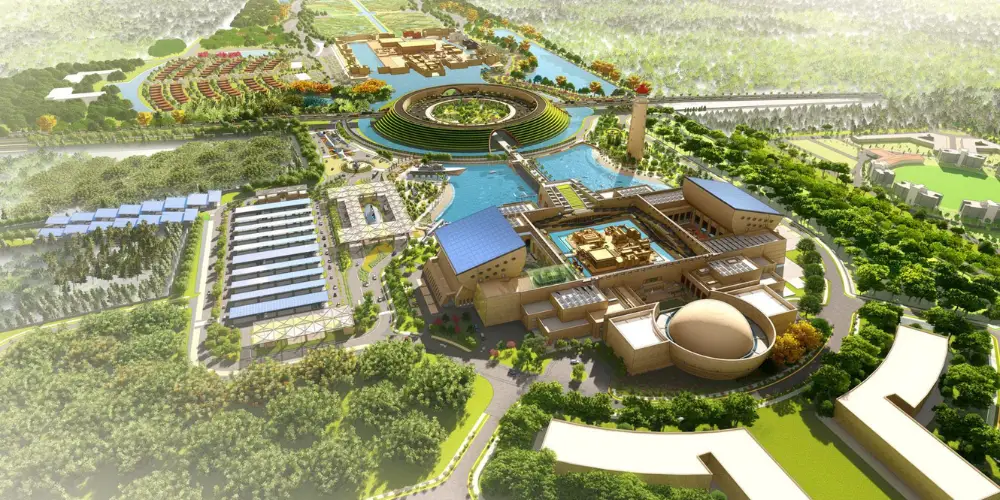
The complex spreads across a large, wedge-shaped site of roughly 400 acres. Rather than one building, it is a chain of connected zones that visitors move through like stops on a sea route.
The Western Gateway: Museum, Institute and Ancient Town
The western end of the site is the cultural heart of the complex. This is where most visitors will begin their day.
National Maritime Museum
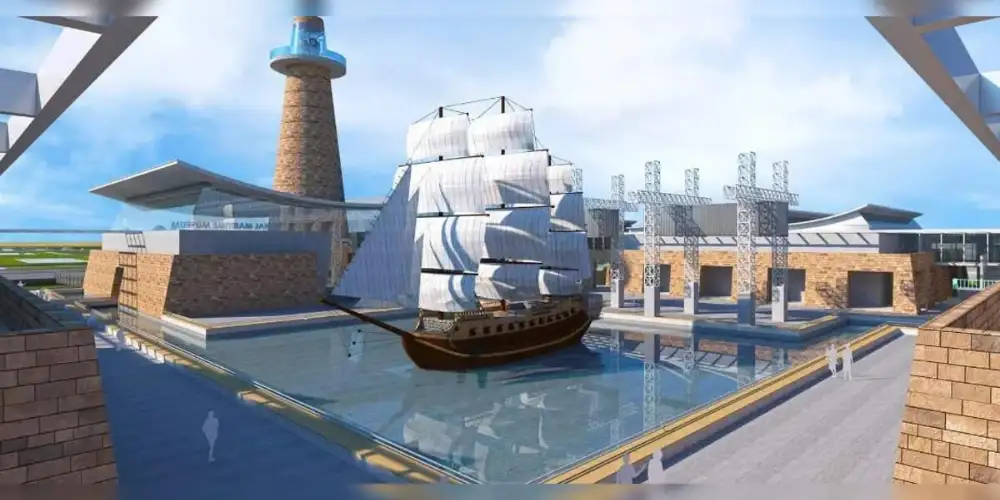
The centrepiece is the National Maritime Museum. It is planned as a large, square structure set around a central courtyard, surrounded by water features.
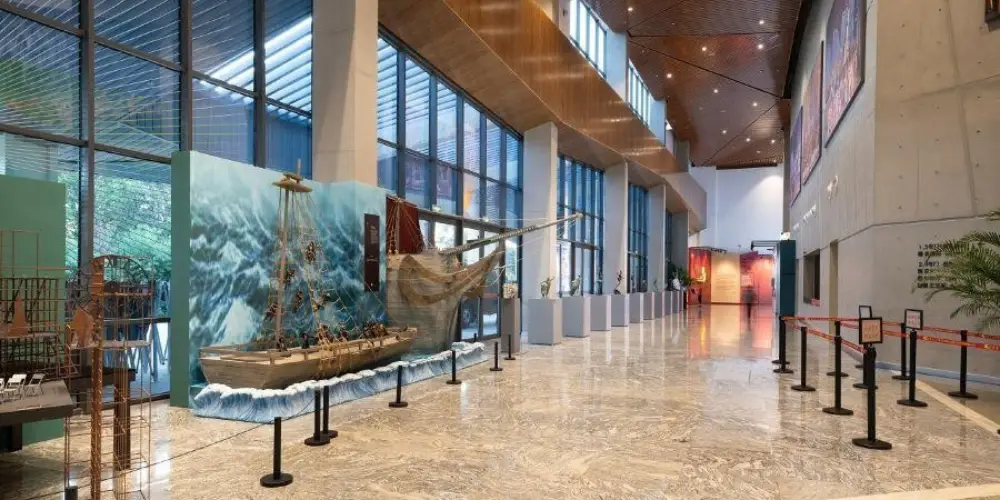
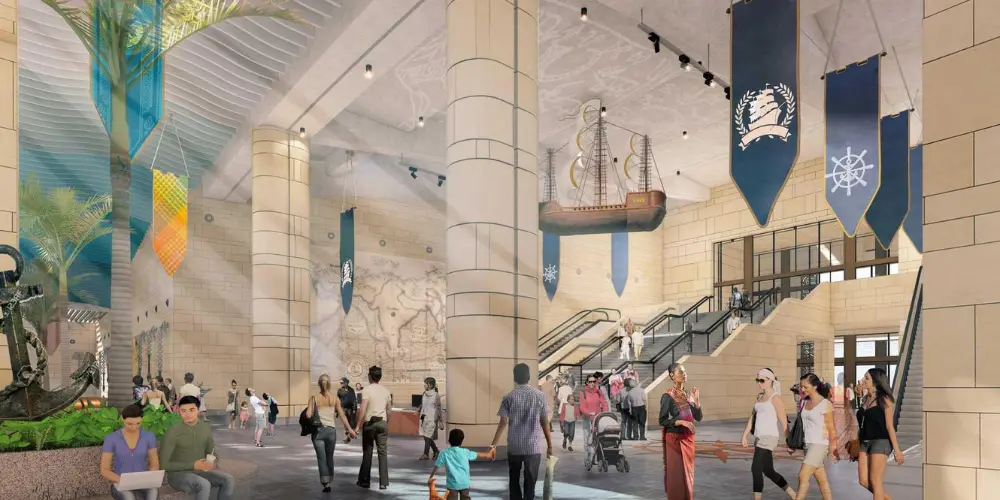
Its galleries are expected to cover Indian shipbuilding, ancient trade routes, naval history and coastal cultures. Think ship models, navigation tools, interactive displays and immersive storytelling.
Lothal Town
Right beside the museum sits Lothal Town. This zone aims to recreate the ancient Harappan settlement – its planned streets, drainage systems, homes and workshops.
Visitors will be able to walk through a living version of a city that existed long before most of the world had planned towns.
Light House Museum
Just south of the museum lies the Light House Museum. It will focus on India’s lighthouses and the role they played in guiding sailors along a long and tricky coastline.
Maritime Institute & Hostels
On the northern edge, the plan places a Maritime Institute with hostel blocks. This turns the site into more than a tourist spot – it becomes a place for training, research and academic exchange.
Water Holding Tanks
At the far west, a large rectangular water body acts as the water holding tank. It supports the many lakes and channels that run through the complex and nods to Lothal’s dockyard heritage.
The Central Spine: Gardens, Cities and State Pavilions
Moving east, the plan shifts from museums to open, walkable spaces.
Bagicha Complex
The Bagicha Complex is a large circular garden ringed by water. It acts as a green hub and a natural meeting point between the western museum zone and the eastern parks.
It is ideal for rest stops, evening walks and cultural events.
Lothal City
Next comes Lothal City, a broader recreation of urban life in the Harappan era. Where Lothal Town gives you a glimpse, Lothal City gives you the bigger picture – markets, trade quarters and daily life.
State Pavilions
Alongside Lothal City, the State Pavilions will showcase the maritime traditions of India’s coastal states and union territories.
From Kerala’s boat-building to Odisha’s ancient sea voyages to Gujarat’s own trading legacy, each pavilion will tell a regional story of life by the sea.
The Northern Retreat: Eco Resort and Museotels
The northern triangle of the site is built for longer stays.
Eco Resort
The Eco Resort is laid out in a fan-like pattern of cottages arranged in curved rows facing a central water body. The design blends stays with landscape rather than stacking guests into tall blocks.
Museotels
Near the resort, the plan includes Museotels – a blend of museum and hotel. Guests can sleep inside a themed setting, turning a day trip into a full experience.
These stay options are important. They signal that planners expect visitors to spend more than a few hours here.
The Eastern Theme Parks: Learning Meets Adventure
The eastern half of the master plan is all about energy and engagement. Four large theme parks are arranged in a two-by-two grid, connected by a central walkway.
Maritime & Naval Theme Park
This park will celebrate India’s naval strength and maritime achievements. Expect ship replicas, naval equipment displays and hands-on experiences for young visitors.
Monuments Theme Park
The Monuments Theme Park is planned to feature replicas or tributes to important heritage structures. It works as an open-air history lesson.
Climate Change Theme Park
This is one of the most forward-looking parts of the plan. The Climate Change Theme Park will explain rising seas, coastal risks and how communities can adapt.
For a project built on a coastline, it is a fitting and timely addition.
Adventure & Amusement Park
Not everything has to be educational. The Adventure & Amusement Park brings rides and outdoor fun, making the complex appealing for families and weekend crowds.
The Eastern Edge: Nature Conservation Park
At the far eastern tip, the plan slows down again. A wide, boat-shaped lake opens into the Nature Conservation Park.
This zone is meant to protect local ecology, offer bird-watching spots and provide a calm end to the journey. Winding water channels run along its edges, softening the boundary between built space and nature.
The overall flow – from ancient city to museums, gardens, parks and finally open nature – is one of the smartest choices in the design.
What This Means for Dholera and Nearby Land
Lothal is not far from the Dholera Special Investment Region. That proximity is drawing attention from land buyers and long-term investors.
Here is why the complex matters for the region:
- Tourism footfall: A national-level attraction can bring steady visitors from across India and abroad.
- Hospitality demand: Hotels, homestays, restaurants and transport services usually grow around such hubs.
- Jobs and skills: The Maritime Institute, museums and parks will need staff, guides and support services.
- Infrastructure push: Big public projects tend to speed up road upgrades and connectivity in the surrounding belt.
- Regional branding: Lothal, Dholera and the Ahmedabad–Dholera corridor together build a strong story of heritage plus future growth.
For people looking at plots in the Dholera region, the heritage complex adds one more reason to watch this belt closely. Still, any purchase should be backed by proper title checks, approvals and personal due diligence.
Key Takeaways
- The Lothal Maritime Heritage Complex turns an ancient Harappan port into a modern maritime destination.
- The master plan flows west to east: museum and ancient town, gardens and pavilions, resorts, four theme parks, and a nature park.
- It mixes education, tourism, research and recreation in a single site.
- Its location near Dholera could boost tourism, hospitality and infrastructure across the region.
FAQs
It is being built at Lothal in Ahmedabad district, Gujarat, near the ancient Harappan dockyard site.
It is led by the Ministry of Ports, Shipping and Waterways under the Sagarmala programme.
The National Maritime Museum is the centrepiece, supported by Lothal Town, Lothal City and several theme parks.
Yes. The plan includes an Eco Resort and Museotels for overnight and multi-day stays.
Four: Maritime & Naval, Monuments, Climate Change, and Adventure & Amusement.