
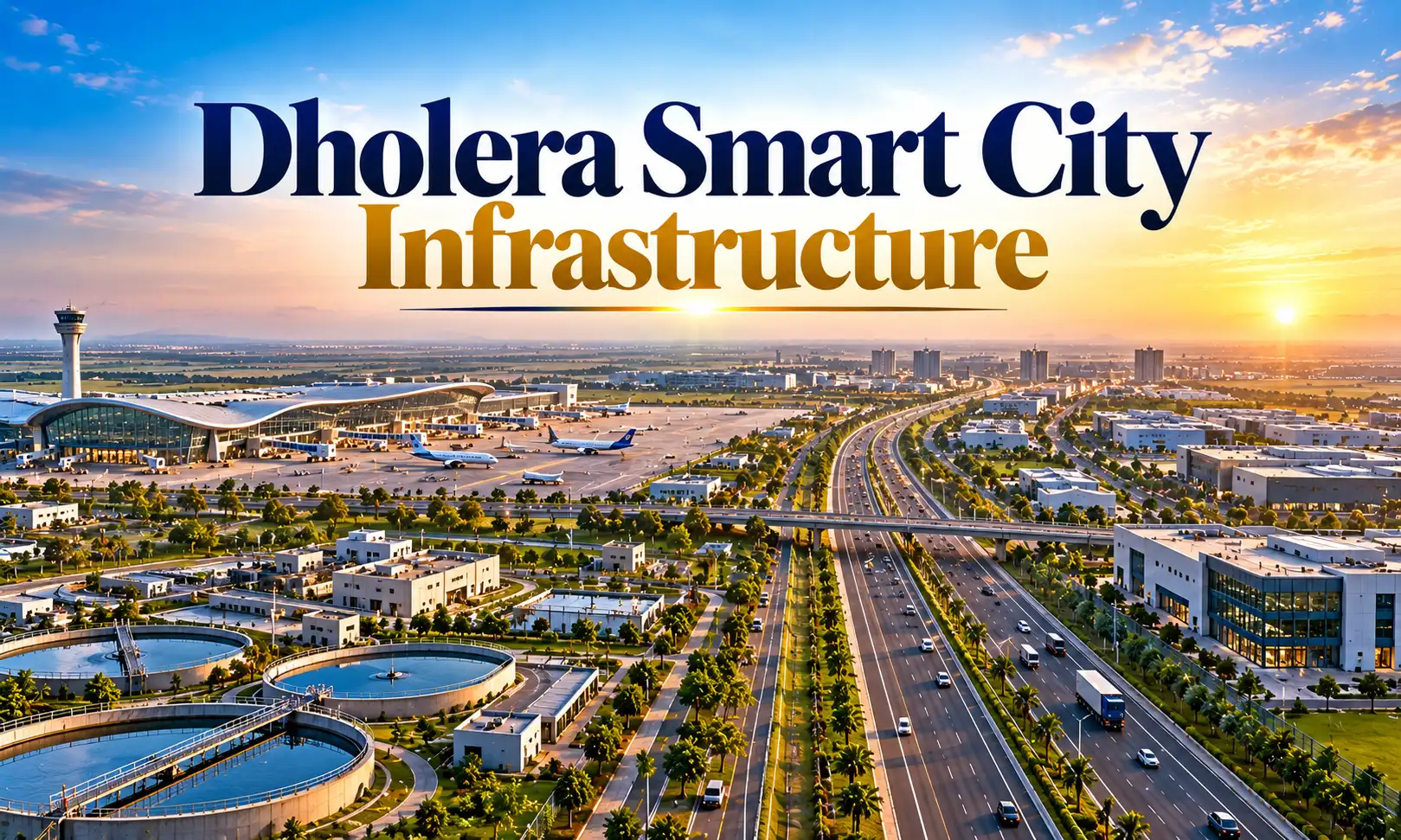
Most Indian cities grow first and plan later. Roads get widened after traffic jams, drains get dug after floods, and power lines get added after outages. Dholera Smart City infrastructure flips that story completely.
Here, the roads, pipes, cables and power grids are laid before people and industries move in. That single idea is what makes Dholera one of the most talked-about development zones in India today.
In this blog, we break down what has actually been built, what is coming next, and why it matters for investors, businesses and future residents.
1. A Planned City Bigger Than Singapore
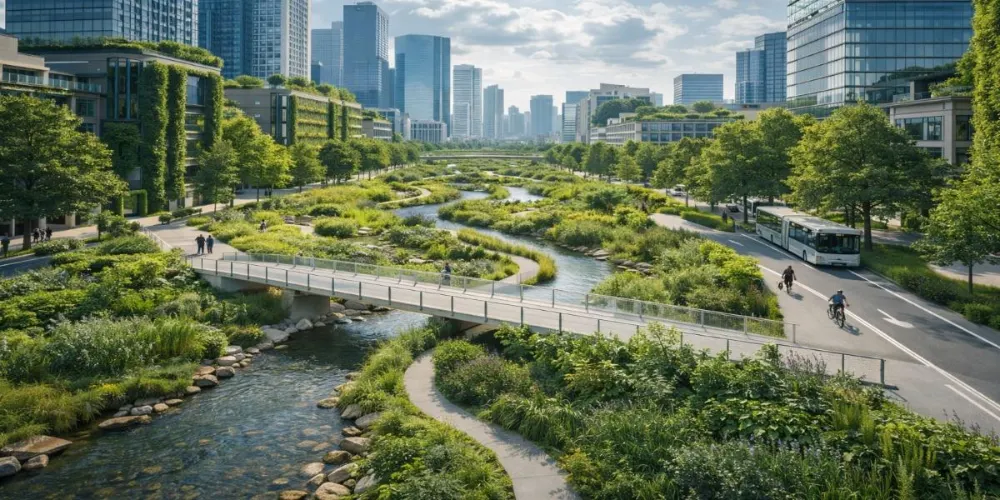
Dholera Special Investment Region (SIR) spreads across roughly 920 sq. km in Gujarat’s Ahmedabad district. That is larger than the entire city-state of Singapore.
Of this, around 422 sq. km is marked as developable land. The rest is kept for green belts, buffers and natural drainage.
Development is happening in phases. The first phase, called the Activation Area, covers about 22.5 sq. km. This is where most of the ground-level infrastructure is already complete and ready for use.
Think of the Activation Area as the “working prototype” of the full city. Everything that will later spread across Dholera is being tested and proven here first.
2. Connectivity: The Expressway That Changed Everything
For years, the biggest question about Dholera was simple: How do you get there?
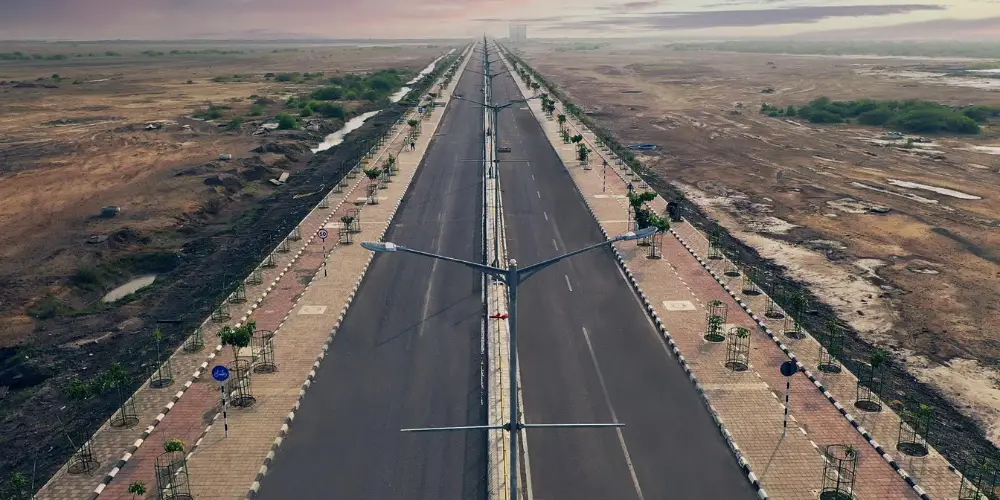
That question now has a clear answer. The Ahmedabad–Dholera Expressway, a 109 km greenfield corridor, was inaugurated in March 2026.
Here is what makes it important:
- Four lanes today, expandable to eight as traffic grows.
- Starts near Sarkhej in Ahmedabad, linking with the Sardar Patel Ring Road.
- Runs straight through the Dholera SIR and onward to Bhavnagar district.
- Passes right beside the upcoming Dholera International Airport.
Travel between Ahmedabad and Dholera, which once meant slow state highways, is now a smooth, high-speed drive.
For businesses, that means easier movement of goods. For residents, it means Ahmedabad’s jobs, schools and hospitals are within comfortable reach.
A planned semi high-speed rail link and a proposed metro connection are also part of the long-term mobility plan.
3. Dholera International Airport: Taking Off Soon
An airport can transform a region faster than almost any other project. Dholera’s is moving quickly.
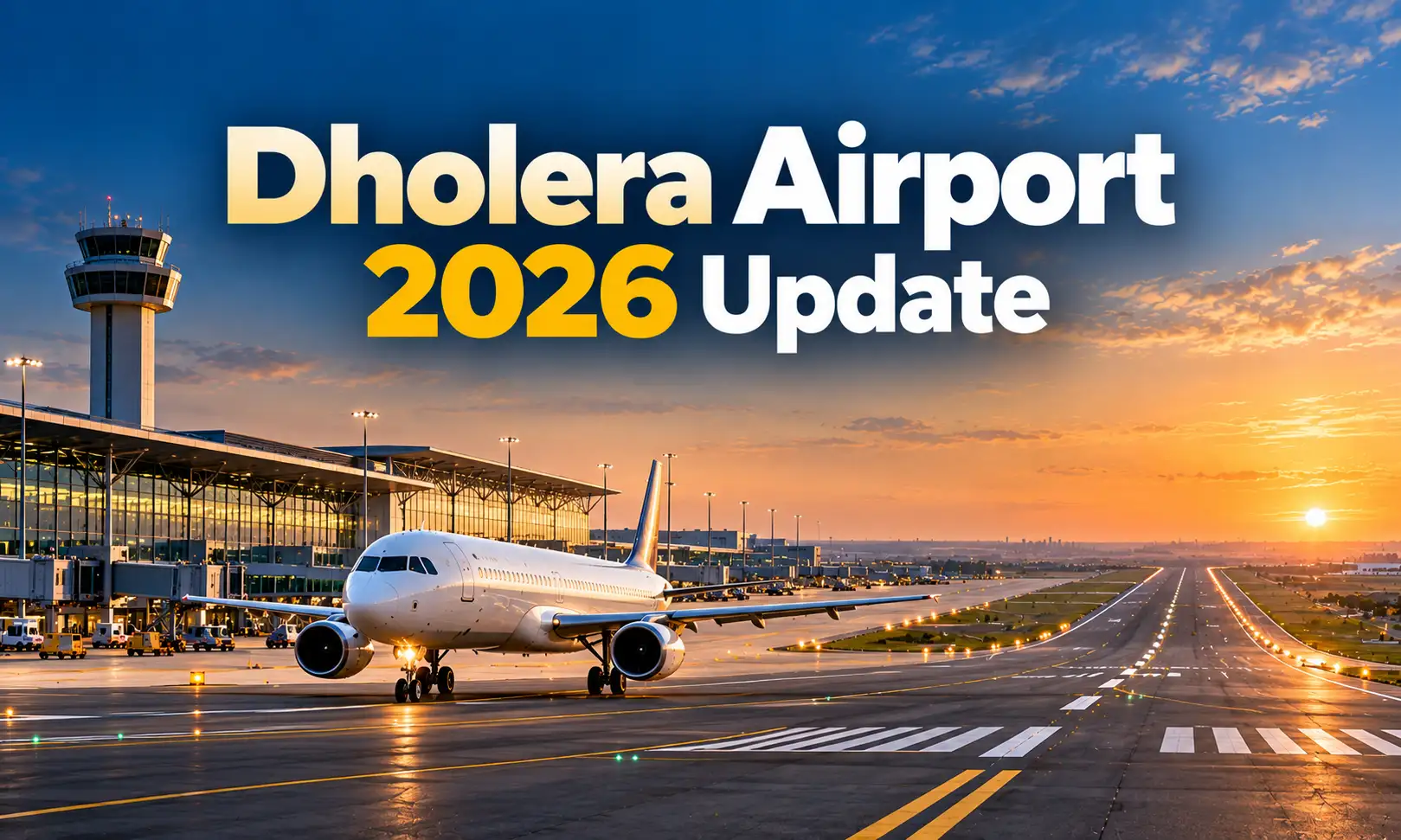
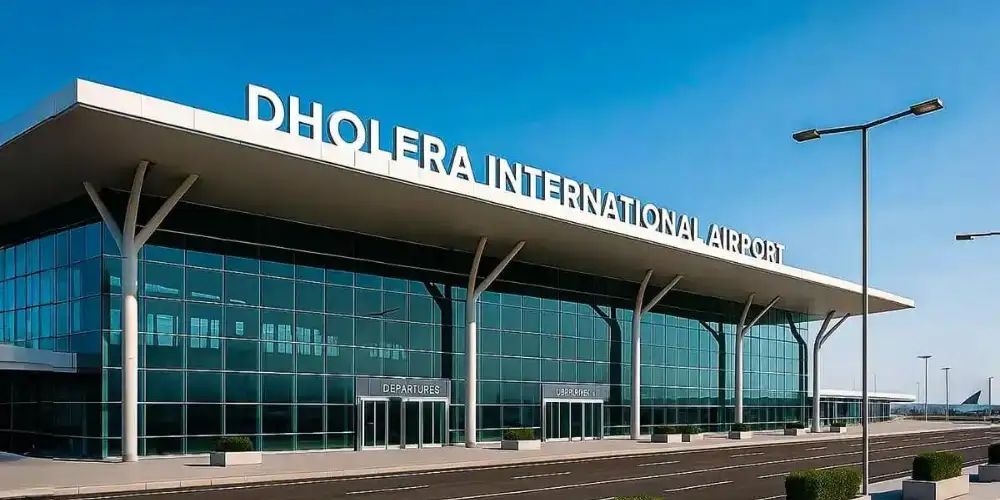
The airport is being developed on about 1,426 hectares of land near Navagam. As of mid-2026:
- Overall construction was reported at around 80% complete.
- The primary runway, taxiway and ATC tower are finished.
- The passenger terminal spans 25,000 sq. metres, designed for about 2 million passengers a year in its early phase.
- A dedicated 2,500 sq. metre cargo terminal is also under construction.
Officials have targeted the start of operations for late 2026, subject to licensing.
The cargo facility is especially important. It gives manufacturers in Dholera a direct air-freight gateway, which is a big advantage for electronics and high-value exports.
4. Roads Built With Hidden Strength
Dholera’s internal roads look clean and wide. But the real story is what lies beneath them.
The Activation Area has a 72 km internal road network with underground utility ducts. These ducts carry:
- Water supply lines
- Power cables
- Telecom and fibre optic cables
- Gas pipelines (where planned)
Why does this matter? In most cities, roads are dug up again and again for repairs and new connections. Underground ducts mean utilities can be serviced without breaking the road.
This keeps roads smooth, reduces traffic disruption and lowers long-term maintenance costs. It is a small design choice with a huge everyday impact.
5. Water, Sewage and Waste: Smart Systems From Day One
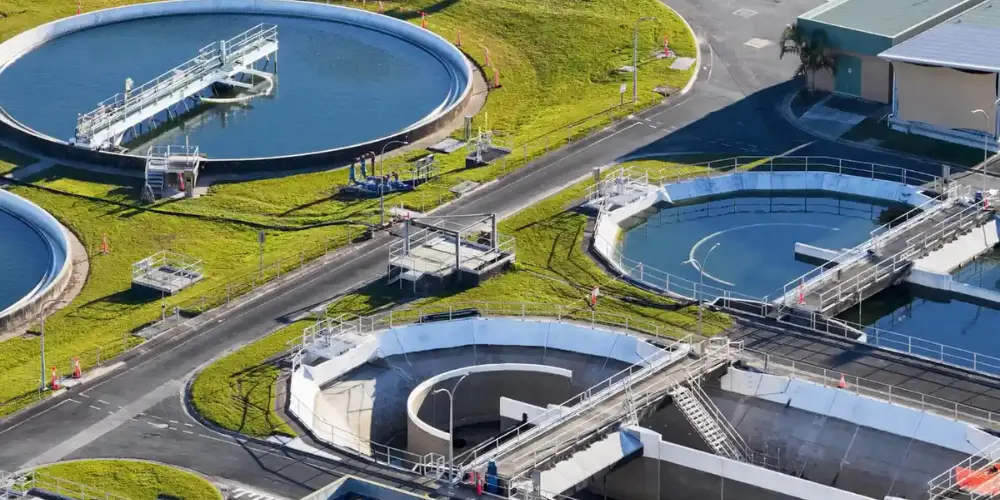
Clean water and proper waste handling are where many fast-growing cities struggle. Dholera has tackled this upfront.
Water supply
- A 50 MLD water treatment plant, expandable to 150 MLD.
- A dedicated raw water transmission line from the source.
- Two master balancing reservoirs and nine elevated service reservoirs for steady pressure across zones.
Wastewater and effluent
- A 10 MLD sewage treatment plant, expandable to 30 MLD.
- A 20 MLD Common Effluent Treatment Plant (CETP), expandable to 60 MLD, built for industrial users.
- Treated water is planned for recycling and reuse, reducing pressure on fresh water.
Storm water and solid waste
- A 6.6 km central canal channels storm water safely towards the sea, cutting flood risk.
- A planned solid waste management system handles collection and processing in a scientific way.
The best part? Every major plant is designed to scale up as the population and industry grow. No last-minute patchwork needed.
6. Power: Reliable, Scalable and Increasingly Green
Industries need power that never blinks. Dholera’s grid has been designed with that in mind.
- Distribution substations currently offer around 500 MVA capacity, expandable to 1,500 MVA.
- A 220 kV substation is being developed to strengthen high-voltage supply.
- Power cables run underground, protecting supply from storms and accidents.
On the green side, a 300 MW solar park is already operational in the region. Much larger solar capacity is planned in and around Dholera, putting it on track to become one of India’s most renewable-powered industrial hubs.
For companies with sustainability goals, access to clean energy is a strong reason to choose Dholera.
7. A Truly “Smart” City: ICT and the Command Centre
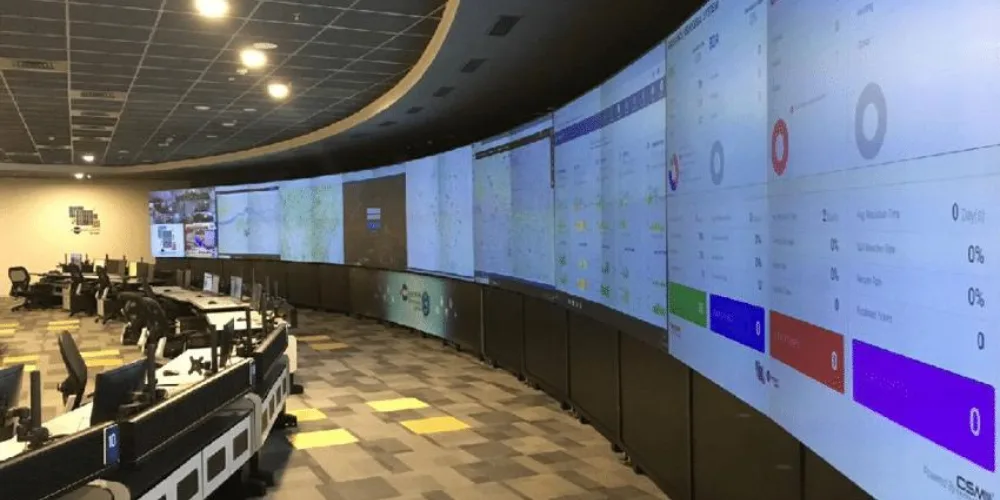
Calling a city “smart” means little without real digital backbone. Dholera has built one.
A citywide Information and Communication Technology (ICT) network connects key services. At its heart sits the City Integrated Operations Centre, housed in the ABCD (Administrative and Business Centre of Dholera) building.
From this command centre, authorities can monitor and manage:
- Water supply and leak detection
- Power distribution
- Traffic and street lighting
- CCTV-based safety and surveillance
- Emergency response
This real-time control helps the city run efficiently, respond faster to problems and keep costs under control.
8. Plug-and-Play: Ready for Industry Right Now
All this infrastructure has one big purpose: making it easy for industries to set up and start.
Dholera offers plug-and-play industrial land. Roads, water, power, drainage and digital connections are already at the plot boundary. A company can move from land allotment to construction far faster than in an undeveloped zone.
This readiness is already attracting major players. The most notable is Tata Electronics’ semiconductor fabrication plant, India’s first commercial chip fab. Other electronics, solar and advanced manufacturing companies are following.
Large anchor industries bring jobs. Jobs bring people. And people bring demand for homes, schools, hospitals and shops. That is the growth cycle Dholera’s infrastructure is built to support.
9. Why Dholera’s Infrastructure Matters for Investors
For anyone looking at land or property in the region, infrastructure is the single strongest value driver. Here is why Dholera stands out:
- Delivered, not just promised: Key roads, utilities and the expressway are already in place.
- Scalable by design: Every system can expand without major rebuilding.
- Strong anchors: The airport, semiconductor plant and solar parks create real economic activity.
- Government backing: Dholera is a flagship node of the Delhi–Mumbai Industrial Corridor (DMIC).
- Long runway for growth: Only a small part of the 920 sq. km region has been activated so far.
As always, buyers should verify land titles, zoning and approvals before investing, and choose projects with clear documentation.
Final Thoughts
Dholera is not a city waiting for infrastructure. It is infrastructure waiting for a city.
With a fully operational expressway, an airport close to take-off, underground utilities, scalable water and power systems, and a smart digital command centre, the foundation is firmly in place. The next chapter belongs to the industries, families and investors who choose to build on it.
Frequently Asked Questions (FAQs)
Dholera is a planned greenfield smart city in Gujarat, developed as part of the Delhi–Mumbai Industrial Corridor. It spans about 920 sq. km.
Dholera is roughly 100 km from Ahmedabad and is connected by the 109 km Ahmedabad–Dholera Expressway.
Yes. The expressway was inaugurated in March 2026 and is a four-lane road expandable to eight lanes.
The airport was about 80% complete by mid-2026, with operations targeted for late 2026.
It is the first development phase of about 22.5 sq. km, where roads, utilities and smart systems are already complete.