
October 2026 marks a quiet but significant milestone. Prime Minister Narendra Modi has now spent 25 years in public office, beginning with his first term as Chief Minister of Gujarat in 2001.
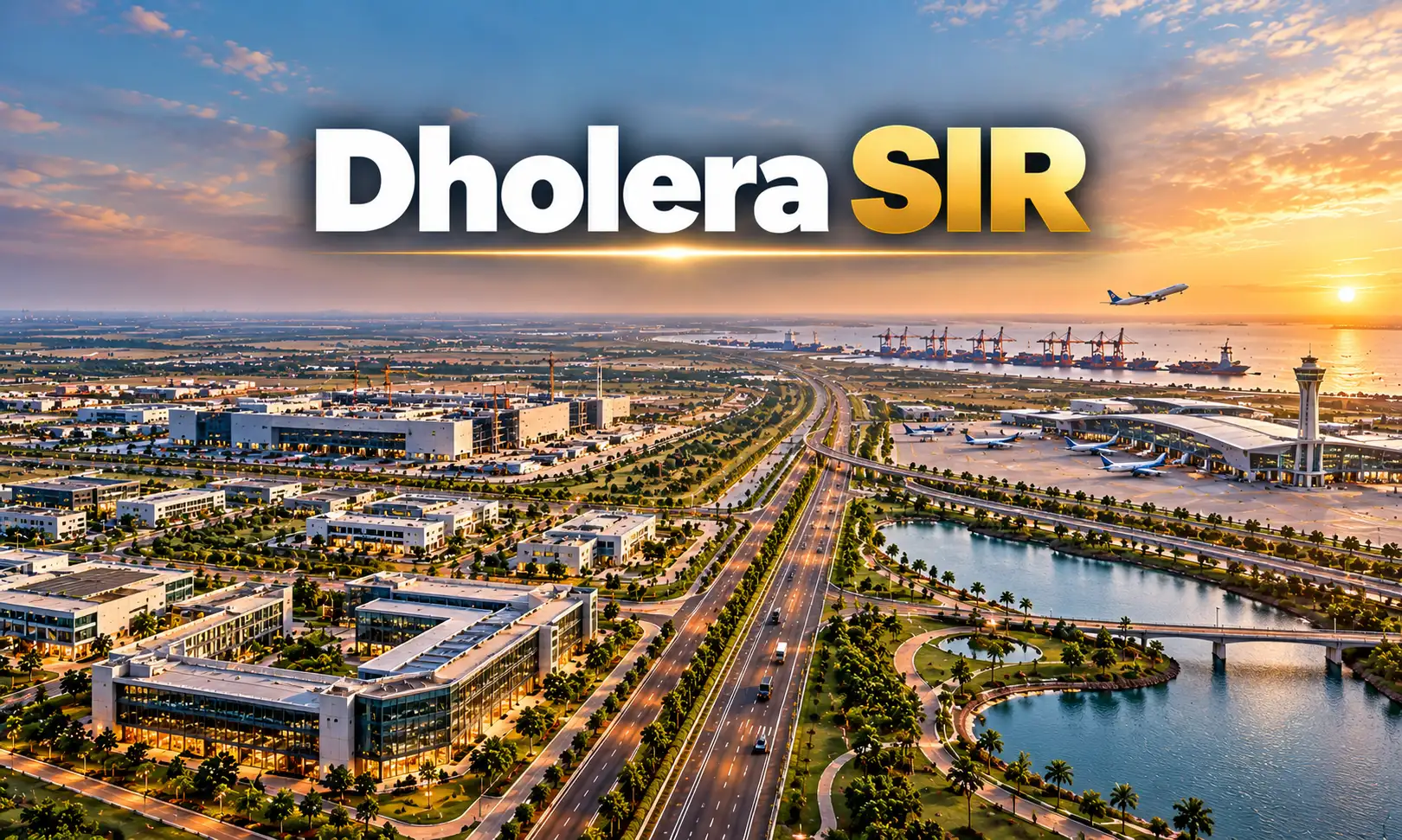
Few projects capture what those years have aimed for better than Dholera SIR. It is a city being built from a clean slate, on a scale India has rarely attempted.
This article looks at what Dholera is, why it matters, and how it connects to the national goal of a developed India by 2047.
A Quarter Century Guided by “Jan Seva Se Desh Seva”
The idea behind the past 25 years has been simple to state. Serving people is the way to serve the nation. In government language, this is Jan Seva Se Desh Seva.
Two words sit at the centre of this approach: Seva (service) and Sushasan (good governance). Together, they point to a style of development that is planned, measured and meant to reach everyone.
The target is clear. By 2047, the hundredth year of Independence, India aims to become a Viksit Bharat, a fully developed nation.
Big goals need concrete proof. Dholera is one of the clearest examples of that vision moving from paper to ground.
What Is Dholera SIR?
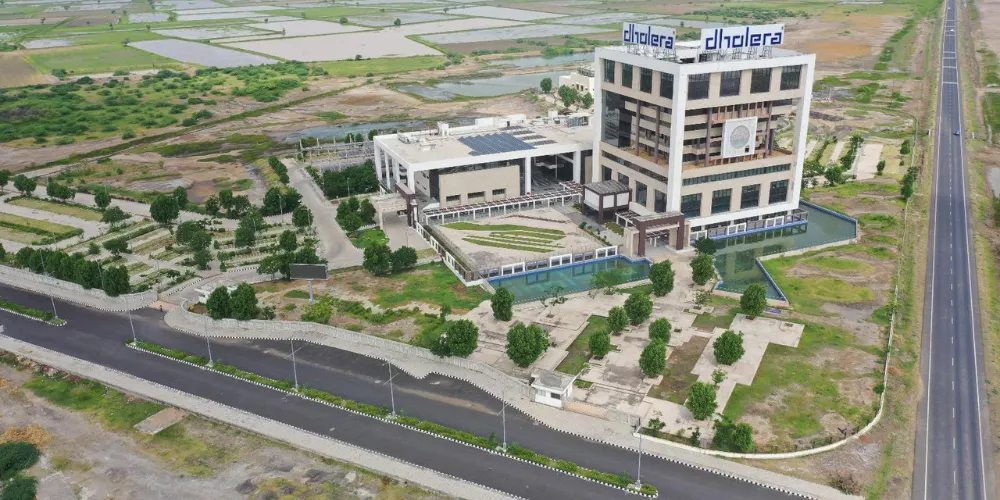
Dholera SIR stands for Dholera Special Investment Region. It lies in Gujarat, along the Gulf of Khambhat, roughly 100 km south-west of Ahmedabad.
Spread over about 920 square kilometres, it is one of the largest greenfield smart city projects in the country. It also forms a key node of the Delhi–Mumbai Industrial Corridor.
The aim is not just to build houses and factories. It is to create a complete urban and industrial ecosystem where people can live, work and invest with ease.
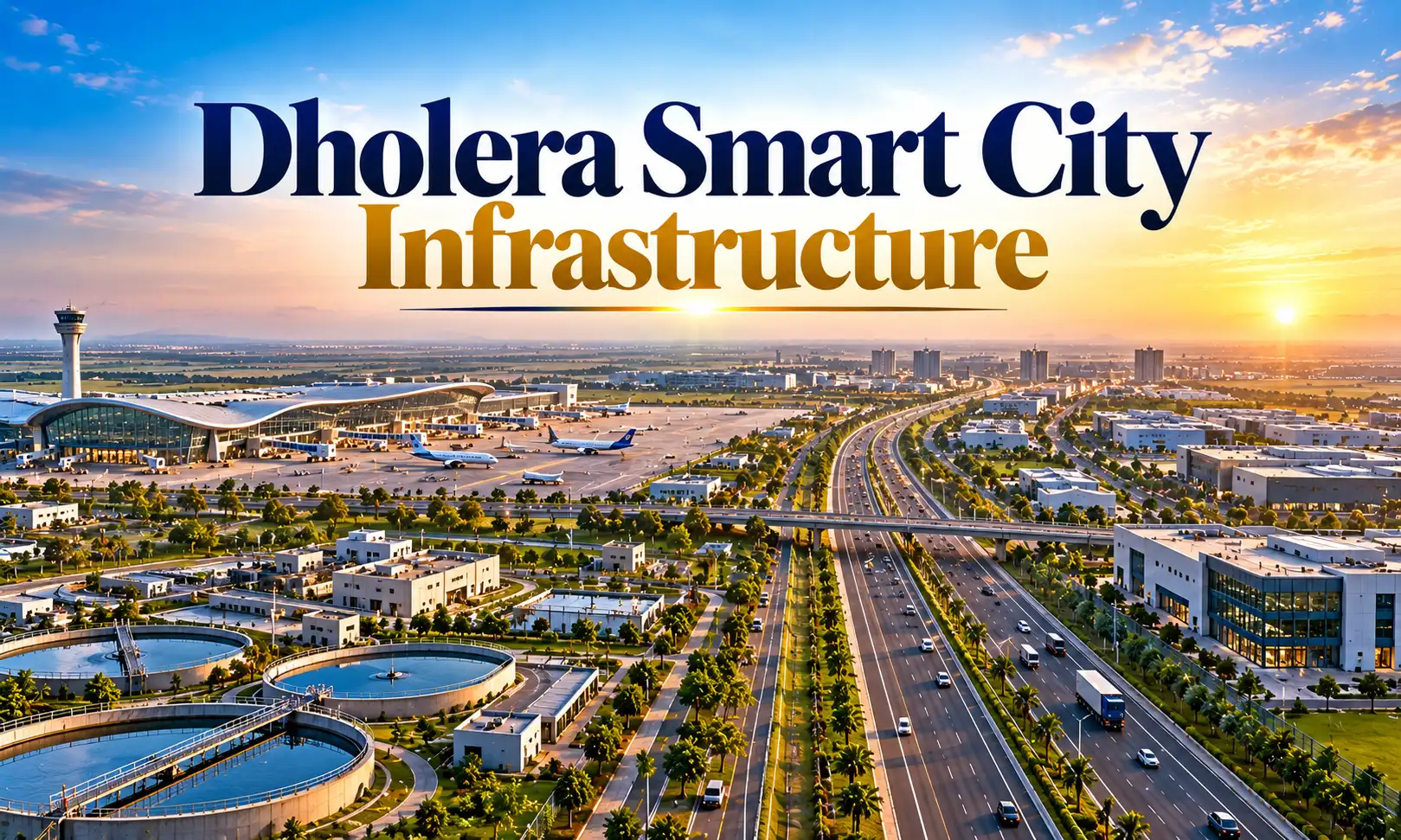
Infrastructure First, Industry Next
Most Indian industrial towns follow a familiar path. Factories arrive first. Roads, drains, water lines and power come later, often in a rush and rarely enough.
Dholera flips that order. Here, the backbone is laid before the plots are sold.
Key elements of this “build first” model include:
- Trunk roads and utility corridors planned in advance
- Underground power and water networks to avoid later digging
- Digital connectivity built into the city’s design
- Planned zones for industry, housing, logistics and green spaces
For investors, this lowers risk. They do not have to wait years for basic services. For residents, it promises a city that works from day one.
India’s Semiconductor Story Begins Here
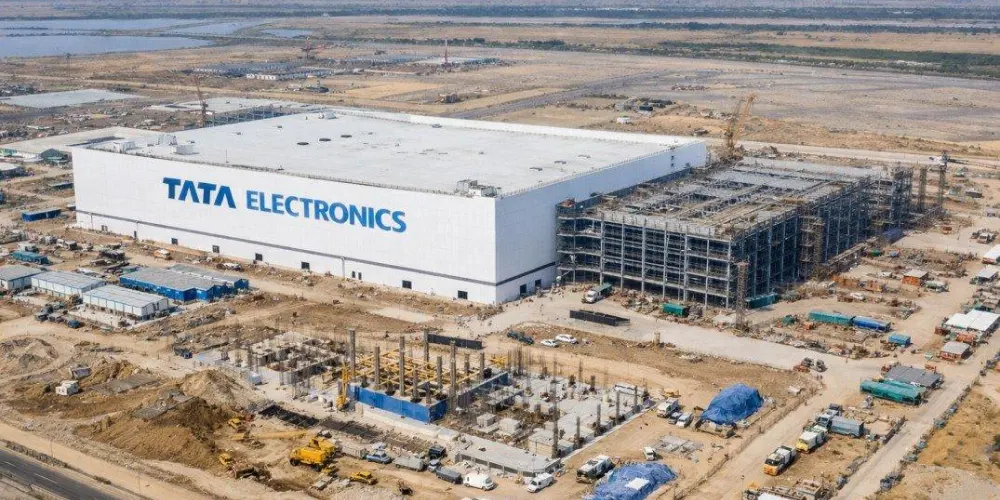
The biggest headline from Dholera is the semiconductor fab. India’s first commercial semiconductor fabrication plant is being set up here by Tata Electronics in partnership with Taiwan’s PSMC.
The project, with an investment of around ₹91,000 crore, had its foundation stone laid in March 2024. It is a central pillar of the India Semiconductor Mission.
Why does this matter so much? Chips power almost everything today, from phones and cars to satellites and defence systems. Until now, India has relied heavily on imports.
A domestic fab changes that. It strengthens supply chains, builds technical skills and pulls in an entire network of suppliers and allied industries.
Prime Minister Modi has spoken with pride about Dholera’s rise as a modern manufacturing hub. Gujarat Chief Minister Bhupendra Patel has also highlighted the scale of the smart city and the speed at which its infrastructure is taking shape.
Connectivity That Ties It All Together
A new city needs strong links to the rest of the country. Dholera is being connected through several major projects.
The Ahmedabad–Dholera Expressway is designed to cut travel time to Gujarat’s biggest city. A new greenfield airport at Dholera is also being developed to serve both passengers and cargo.
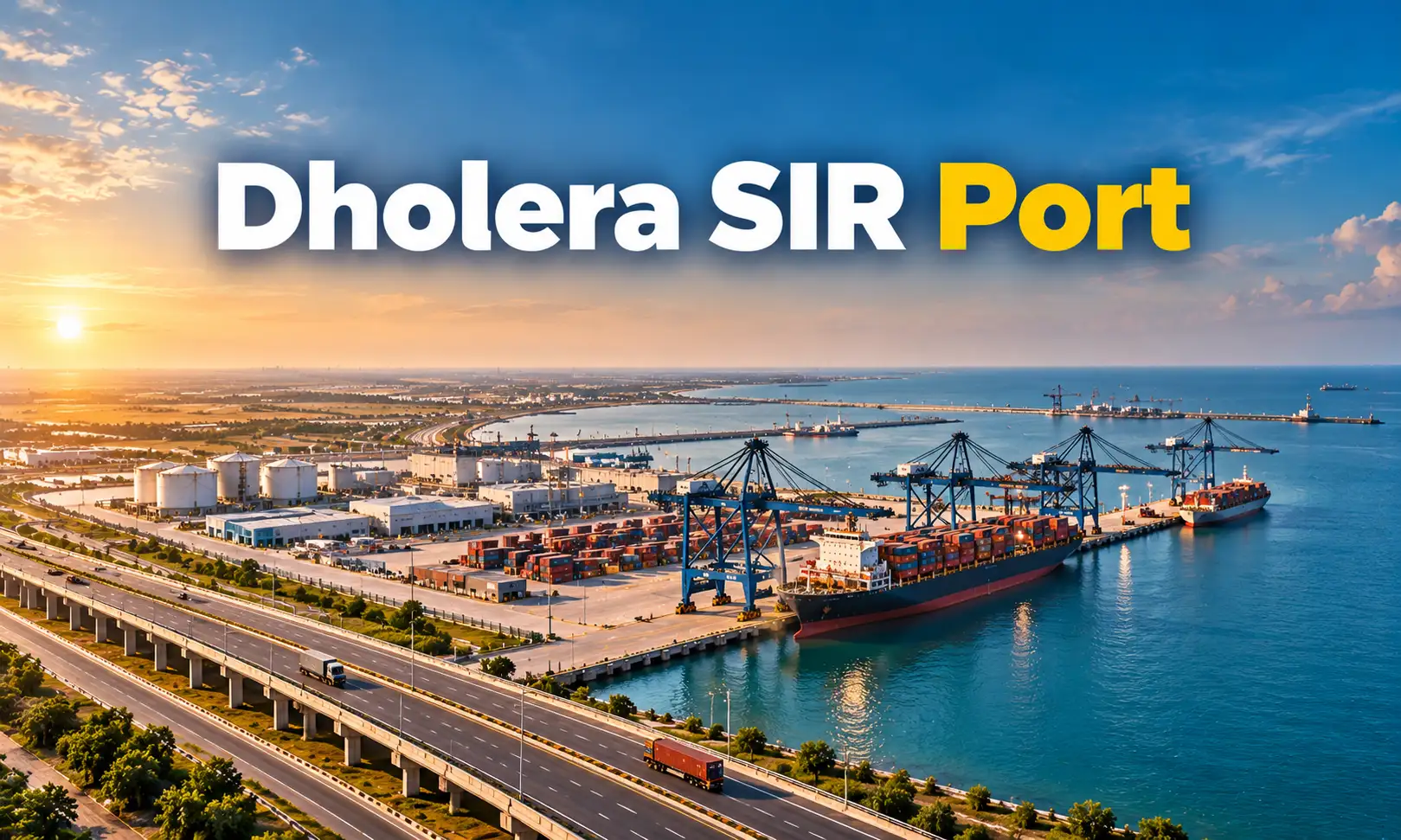
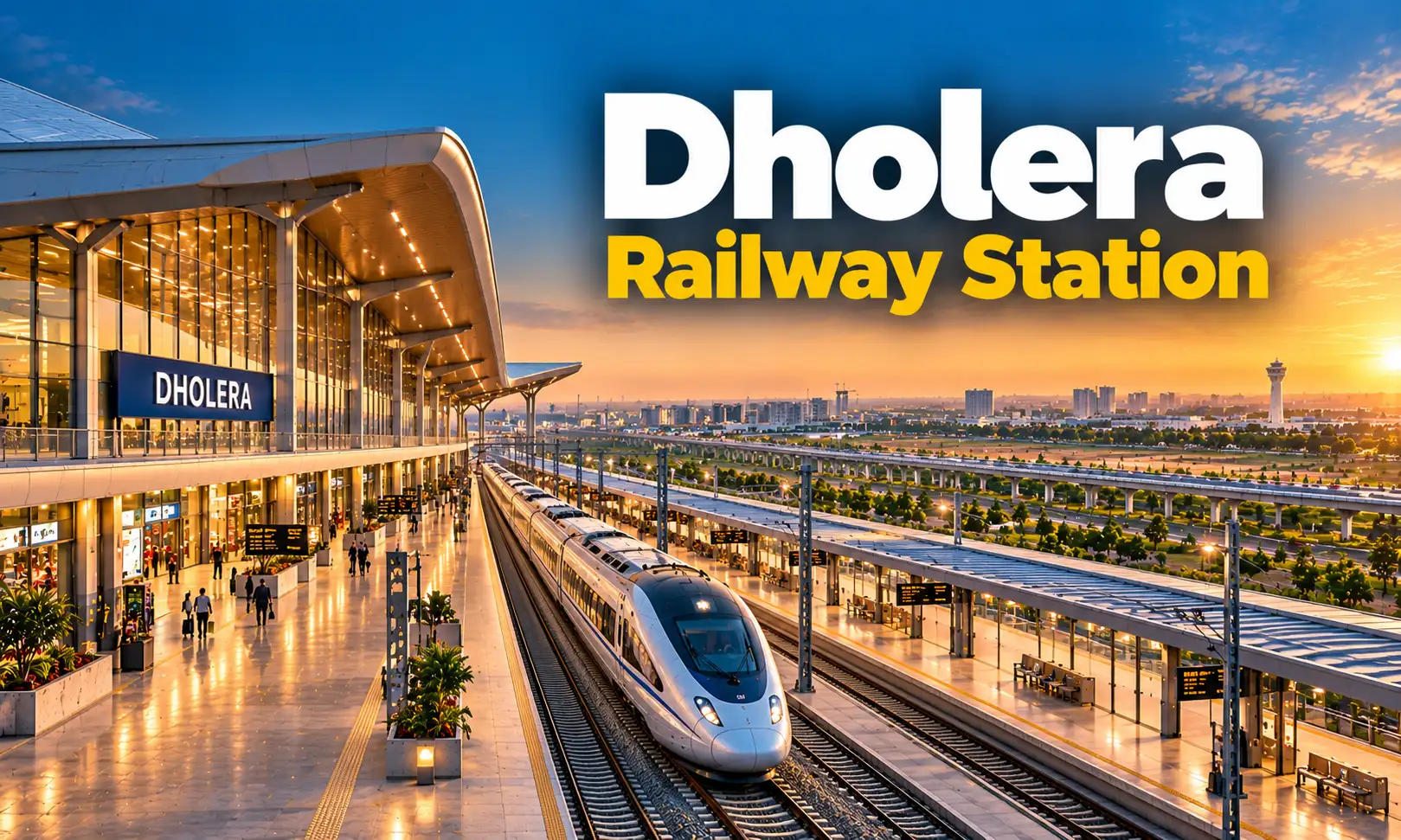
Rail links and access to nearby ports add another layer. Together, they position Dholera as a logistics-friendly base for exporters and manufacturers.
From Maritime Roots to a High-Tech Future
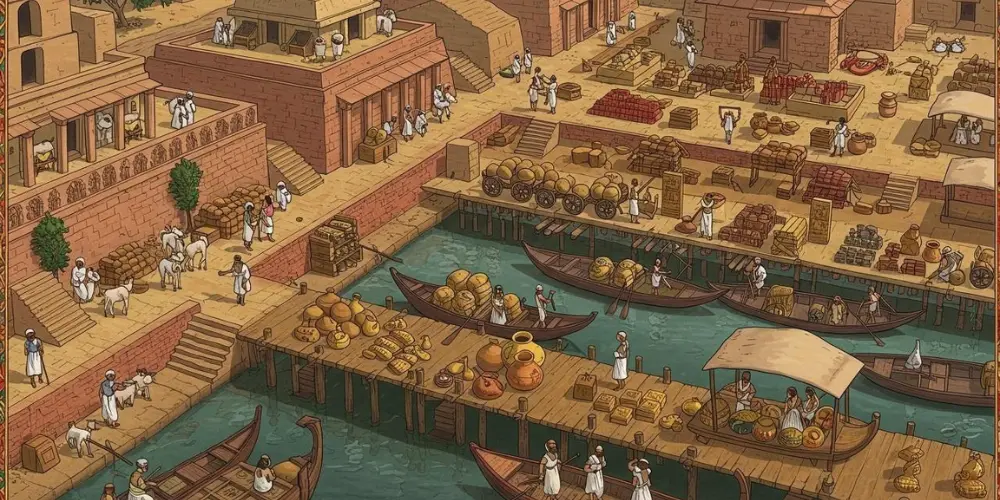
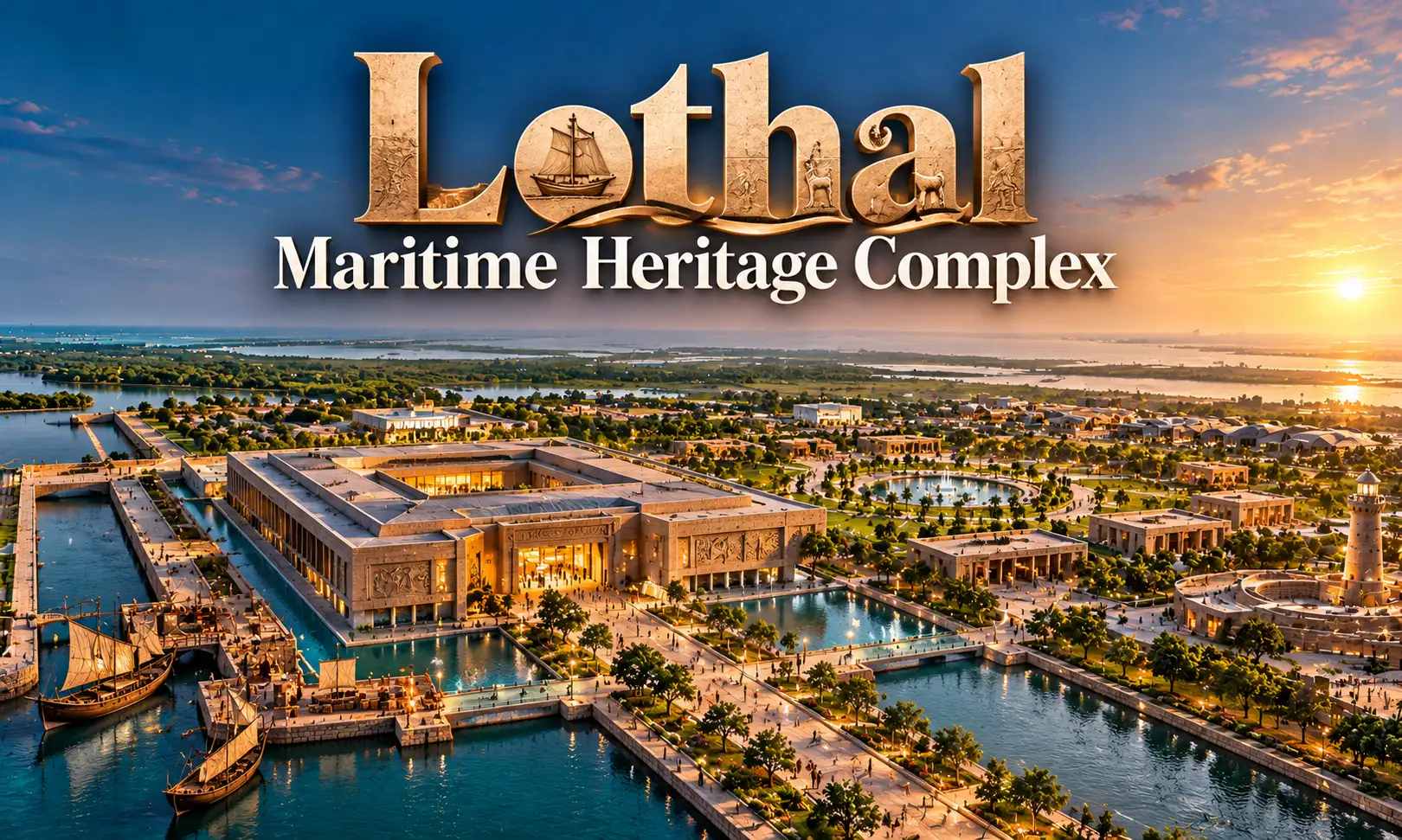
The Gulf of Khambhat has a long trading history. For centuries, this coastline linked western India to markets across the Arabian Sea.
Dholera now carries that legacy into a new era. Instead of spices and textiles, the focus is on chips, electronics, clean energy and advanced manufacturing.
The project also places weight on sustainability. Plans include large solar power capacity, efficient water management and generous open spaces.
It is a reminder that modern growth does not have to come at the cost of the environment.
What Dholera Means for Viksit Bharat 2047
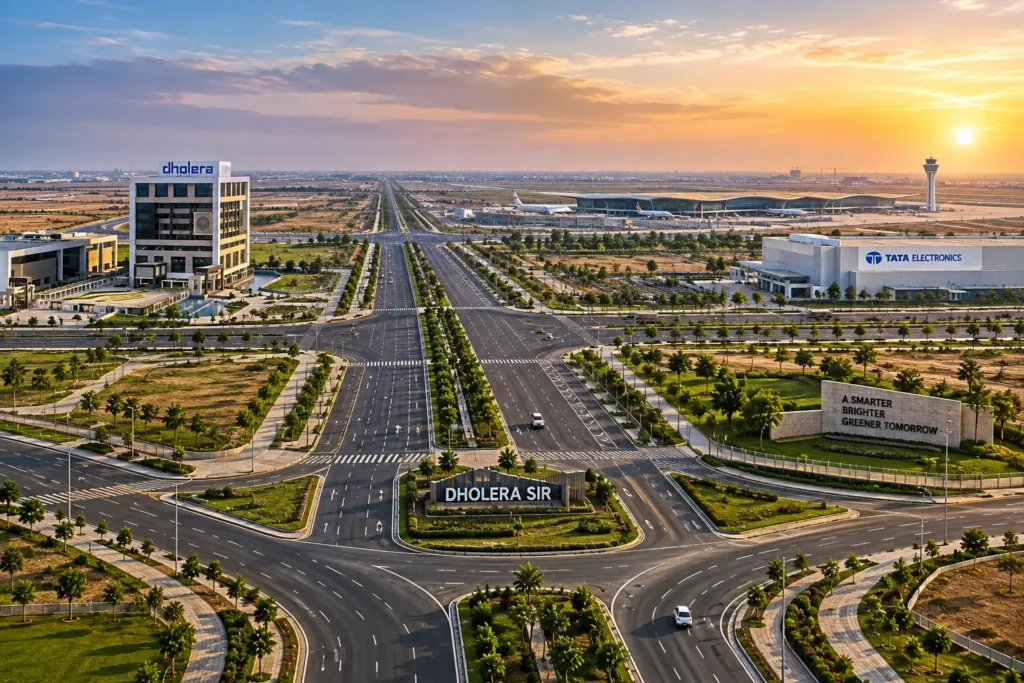
Dholera is more than one city. It is a working model of how India can plan for the future.
It shows that infrastructure can lead rather than follow. It proves that high-tech industries can find a home in India. And it signals to global investors that the country is ready for long-term, large-scale manufacturing.
As PM Modi completes 25 years in public service, Dholera stands as a strong example of the Seva and Sushasan approach in action. The road to 2047 is long, but projects like this are laying it brick by brick, and chip by chip.
Frequently Asked Questions
Dholera Special Investment Region is a planned greenfield smart city and industrial hub in Gujarat, built along the Gulf of Khambhat.
It is about 100 km south-west of Ahmedabad and is part of the Delhi–Mumbai Industrial Corridor.
Because roads, water, power and digital networks are put in place before land is sold, unlike most industrial towns.
India’s first commercial semiconductor fab, being built by Tata Electronics with Taiwan’s PSMC.
Through the Ahmedabad–Dholera Expressway, a planned international airport, rail links and nearby ports.