

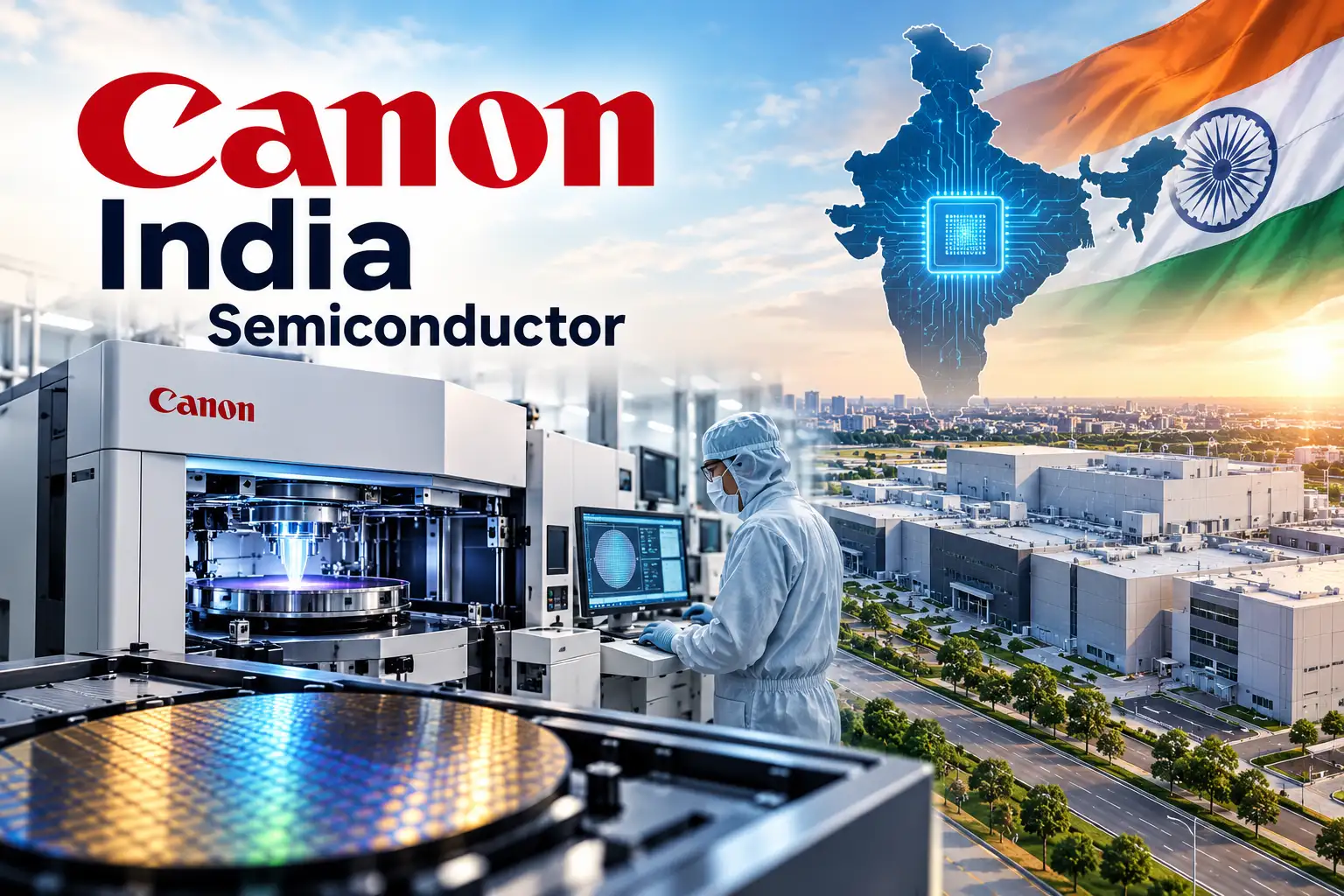
India’s semiconductor ambitions have attracted another global heavyweight. Canon, the Japanese technology giant best known for its cameras and printers, says it is already in conversation with the companies building the country’s most important chip projects.
The company also plans to set up local service centres to support chipmakers on the ground. For a brand that most Indian households link with photography, this is a notable step into the engine room of the digital economy.
Toshiaki Nomura, who leads Canon’s India business, described the country’s chip push as a “great opportunity” in an interview with PTI. Here is what Canon is planning and why it matters.
Why Lithography Puts Canon at the Heart of Chipmaking
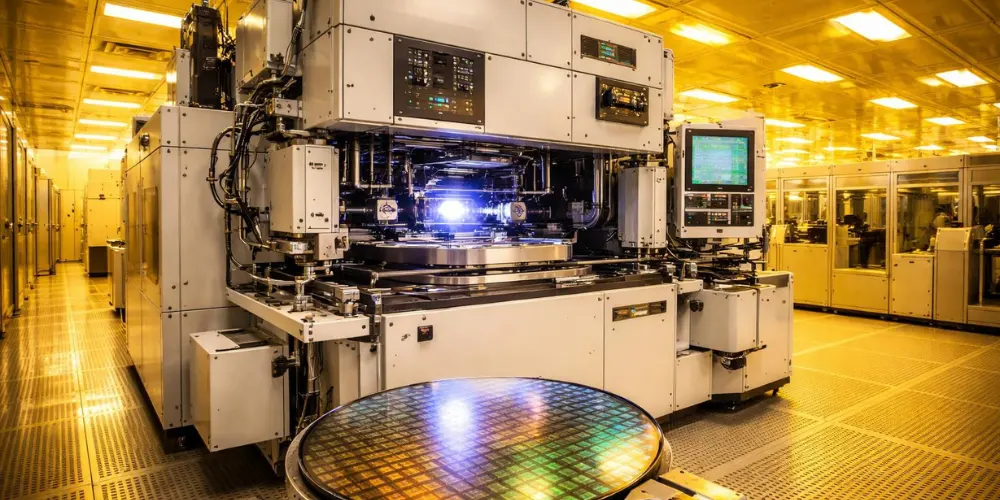
Every modern chip begins with lithography. This is the process of printing ultra-fine circuit patterns onto silicon wafers using light, and it is one of the most precise steps in the entire manufacturing chain.
Canon is one of a small group of companies worldwide that build these machines. That gives it a natural role in any new fab, since no plant can produce chips without reliable lithography tools.
Nomura noted that semiconductor manufacturing has become the talk of the town in India. Canon’s pitch is simple: bring its lithography technology to Indian chipmakers and help them produce chips locally.
Conversations Already Underway With Key Players
Canon is not waiting on the sidelines. Nomura confirmed that the company has held discussions with all the major manufacturers behind India’s upcoming chip ventures.
He stopped short of naming deals or signed contracts. The projects are still being built, he explained, and Canon will make announcements once developments are confirmed.
Alongside equipment supply, Canon intends to open local service centres. In chipmaking, fast on-site support is critical, because a lithography tool sitting idle can halt an entire production line.
Can India Hit Its Chip Timelines?
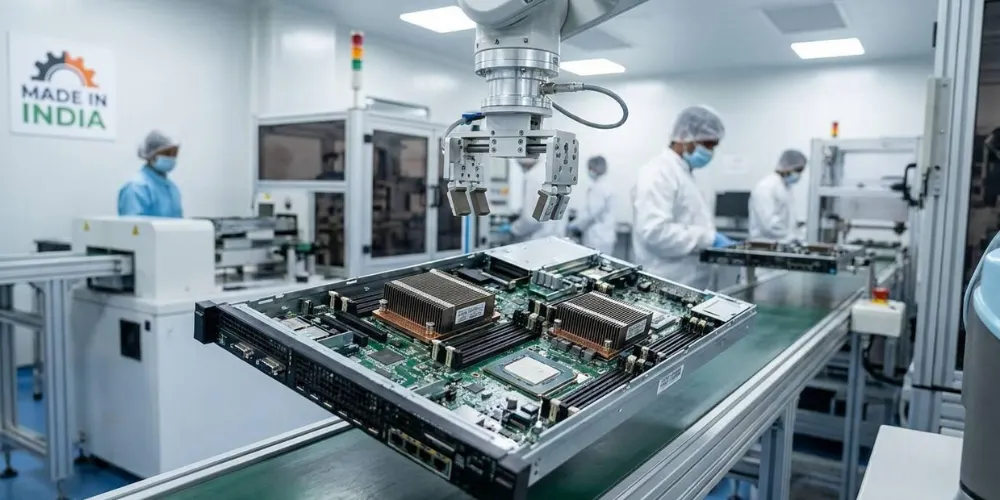
India has set itself ambitious deadlines for building a semiconductor ecosystem. Asked whether those targets are realistic, Nomura struck an optimistic note, saying he believes in India’s strength.
He was careful to add that timelines rest with the chipmakers themselves, not with equipment suppliers like Canon. Still, he expects results in the near future.
Nomura also credited policymakers and industry bodies for working hard to put the right ecosystem in place. In his view, that groundwork will soon be ready, and Canon wants to be there when it is.
The Projects Shaping India’s Chip Map
Around 12 semiconductor projects have been cleared under the India Semiconductor Mission. Together they cover chip fabrication, assembly, testing and packaging.
| Project | Location | Focus |
| Tata Electronics | Dholera, Gujarat | Semiconductor fab |
| Micron | Sanand, Gujarat | Assembly and packaging |
| CG Power–Renesas | Gujarat | Chip assembly and testing |
| Kaynes Semicon | Gujarat | Chip assembly and testing |
| Tata Electronics | Assam | Semiconductor packaging |
The fab projects in particular will need advanced lithography equipment, which is exactly where Canon sees its opening.
More Than Cameras: Canon’s Wider Tech Shift
Canon’s move into chips is part of a broader reinvention. Beyond imaging and printing, the company has been growing its presence in semiconductor equipment, medical systems, and surveillance and security solutions.
These newer segments give Canon a foothold in industries with long-term demand. They also reduce its dependence on consumer products, where competition from smartphones has reshaped the market.
Nomura said Canon remains committed to bringing advanced technologies into India. The goal is to create added value for customers as fresh growth areas open up across sectors.
India: A Double-Digit Growth Market for Canon
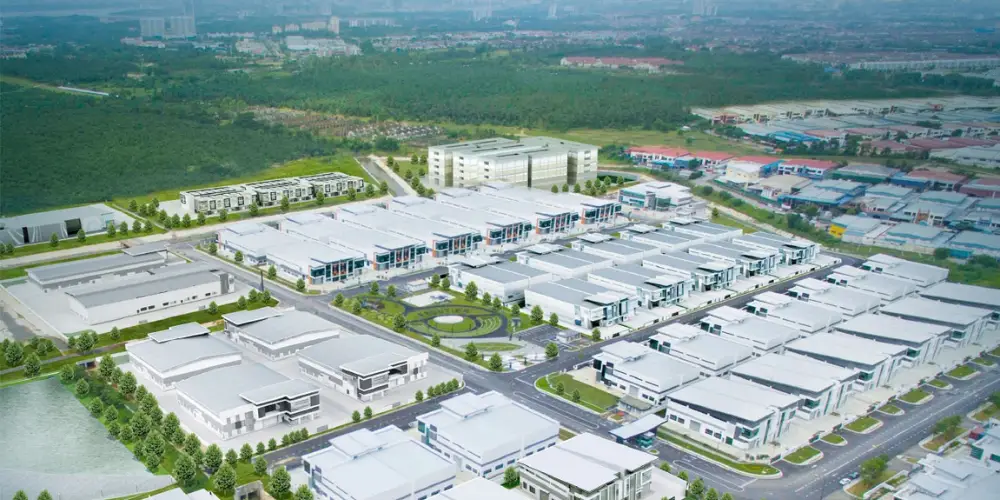
India already ranks among Canon’s priority markets worldwide. According to Nomura, the company has posted double-digit growth in the country year after year.
That momentum is not limited to new ventures. Canon’s core imaging lines are also expanding quickly, including:
- Cameras
- Printers and compact printers
- Multifunction copiers
- Large production printing machines
This steady performance gives Canon the confidence and the local base to take on a bigger, more industrial role in India.
What Canon’s Entry Means for India’s Chip Ecosystem
A chip fab is only as strong as its supply chain. Having a global lithography maker ready to supply and service equipment locally can cut downtime and speed up production ramp-ups.
Local service centres could also create skilled technical jobs and build know-how within India. Over time, that expertise is what turns a handful of factories into a true ecosystem.
For Canon, the bet is clear. If India succeeds in becoming a chip hub, the company that helped equip its first fabs will be well placed for decades of growth.
FAQs
Canon plans to supply lithography machines that print circuit patterns onto silicon wafers, helping chipmakers produce chips in India.
Yes. Canon says it has held discussions with all the key manufacturers behind India’s major semiconductor projects.
Yes. Canon plans local service centres to support chipmakers with on-ground technical help.
Around 12 projects covering fabrication, assembly, testing and packaging have been approved.
They include Tata Electronics’ fab in Dholera, Micron’s Sanand unit, CG Power–Renesas and Kaynes Semicon in Gujarat, and Tata’s packaging unit in Assam.