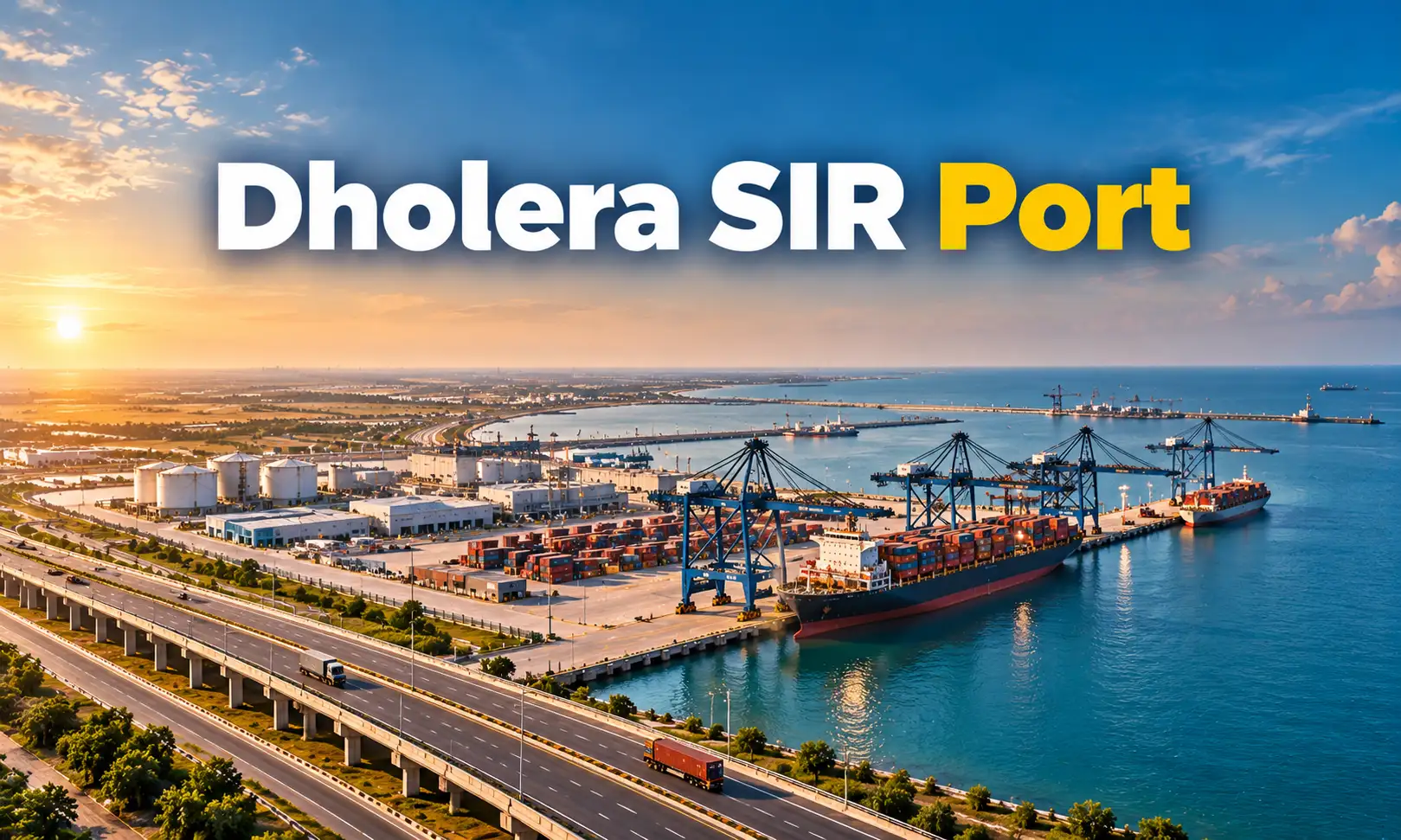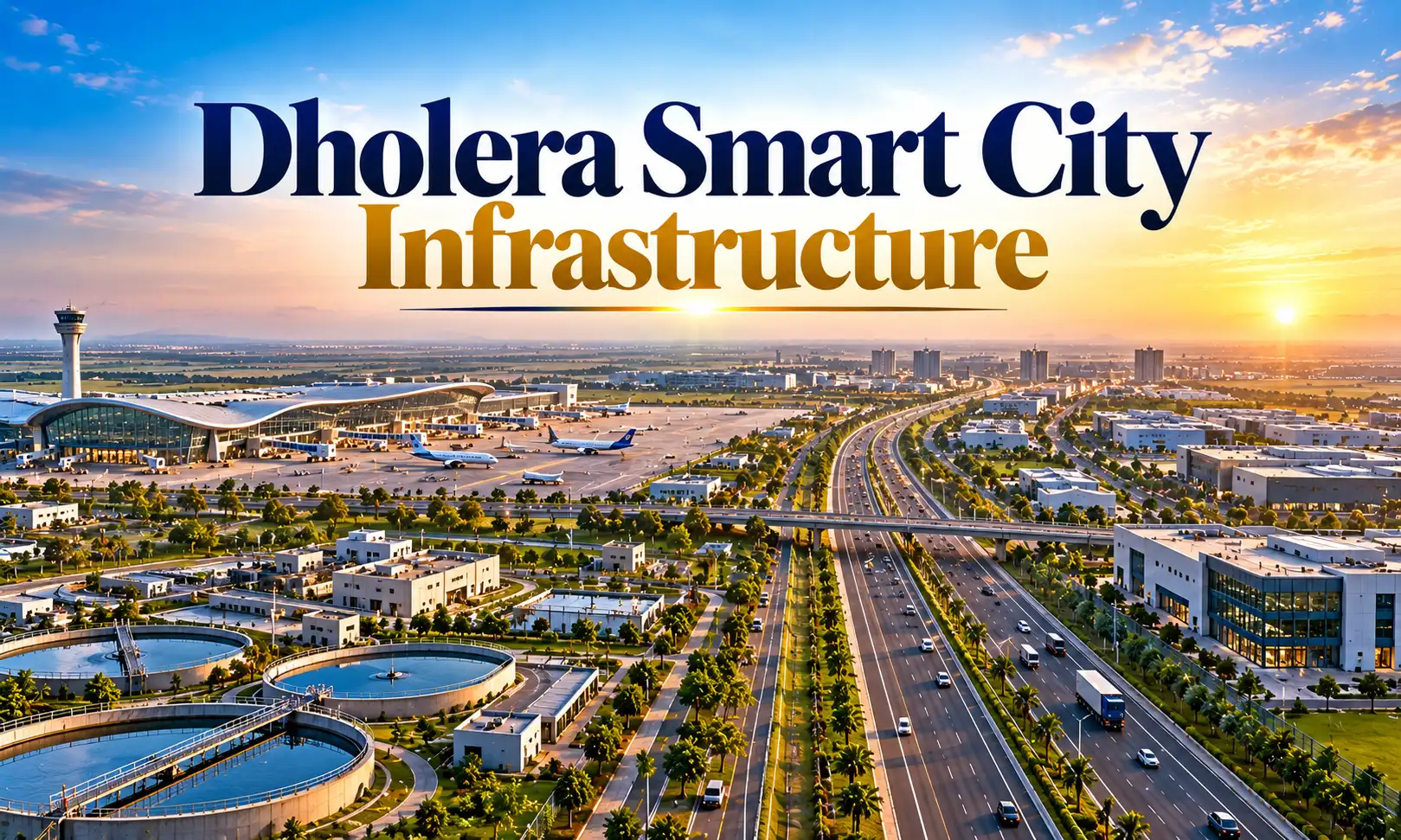


India’s semiconductor ambitions are no longer just a policy talking point. They are taking physical shape on the ground in Gujarat, and some of the world’s most influential economic partners are paying attention.
A recent visit by a senior Japanese delegation to Dholera Special Investment Region (SIR) is the latest sign of that growing interest. At Angel Nova, we believe moments like these tell you more about a region’s future than any brochure ever could.
Here is a closer look at the visit, what the delegation saw, and why it matters for anyone following the Dholera SIR semiconductor hub story.
Who Visited and Why It Matters
The delegation was led by Mr. Kenji Hiramatsu, who served as Japan’s Ambassador to India from 2015 to 2019. Today, he chairs The Institute for International Strategy at Japan Research Institute Limited, part of the SMBC Group.
He was joined by officials from the Japan Bank for International Cooperation (JBIC) and the National Industrial Corridor Development Corporation (NICDC).
This combination is significant. JBIC is one of Japan’s key financing institutions for overseas projects. NICDC oversees India’s industrial corridor programme. When diplomacy, finance, and infrastructure planning arrive together, it usually signals serious interest rather than a courtesy call.
The group was welcomed by officials from Dholera Industrial City Development Limited (DICDL), including the General Manager for Land and Municipal Services.
Japan’s Role in India’s Chip Journey
Japan has long been one of India’s most trusted development partners. From metro rail systems to industrial corridors, Japanese expertise and funding have shaped major Indian infrastructure over the past two decades.
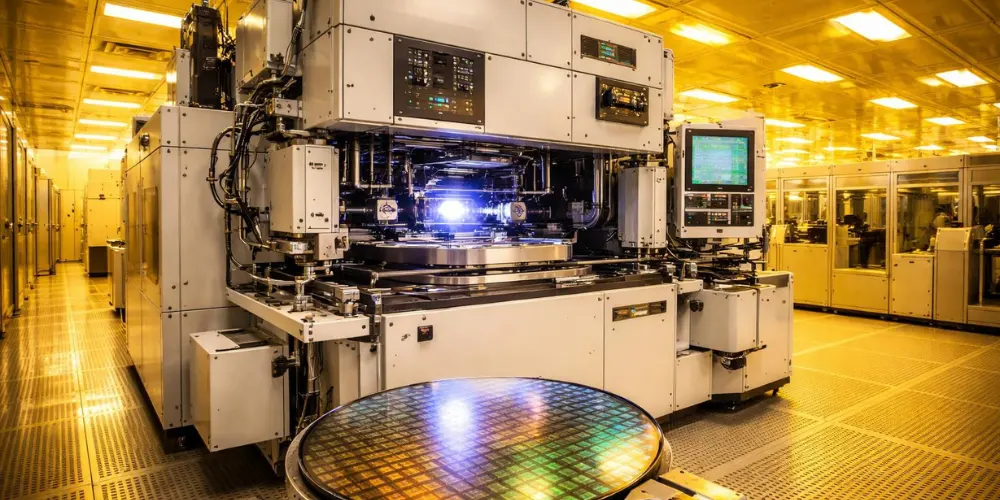
Semiconductors are the natural next chapter. Japan brings deep experience in chip materials, equipment, and precision manufacturing. India brings scale, talent, and a fast-growing electronics market.
Dholera sits right at the meeting point of these strengths. That is why engagement between Japanese institutions and the region’s administration keeps gaining momentum.
What the Delegation Reviewed on the Ground
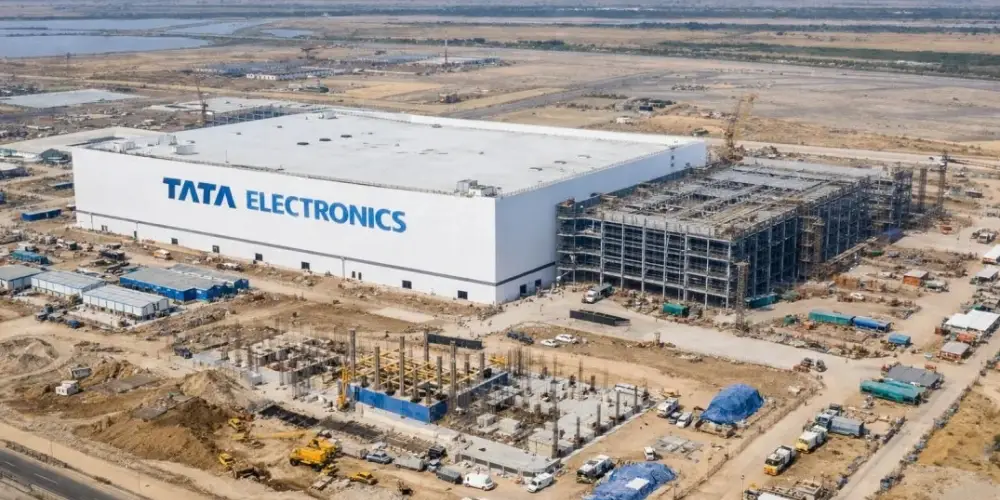
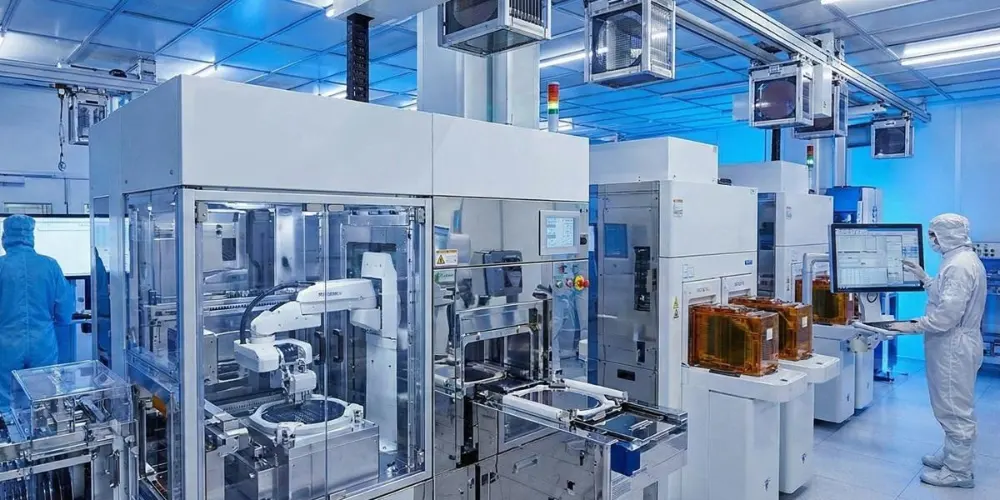
The centrepiece of the visit was a review of the semiconductor fabrication facility being built by Tata Semiconductor Manufacturing Private Limited. This is set to be India’s first commercial chip fabrication plant.
But the delegation’s focus went beyond a single factory. A fab cannot operate in isolation. It needs reliable utilities, housing for skilled workers, commercial services, and strong logistics.
That is exactly what Dholera is building in parallel. Industrial, residential, and commercial infrastructure is being developed side by side to support the long-term needs of the semiconductor sector.
A Tour of Dholera’s Smart Infrastructure
The visitors toured several key facilities within the Activation Area, the first fully developed zone of the city.
The ABCD Building: The delegation visited the Administrative and Business Centre for Dholera, which houses the city’s administrative offices.
City Integrated Operations Centre: Inside the ABCD Building, the group saw the command and control centre. This is where city services such as traffic, utilities, and security are monitored in real time.
Water and Power Networks: The team also inspected the integrated water and power infrastructure. For chip manufacturing, which demands uninterrupted power and ultra-pure water, this is a critical checkpoint.
These stops showed that Dholera is not just planning a smart city on paper. The core systems are already running.
Key Takeaways from the Discussions
During interactions with DICDL officials, the delegation gained insight into four areas that make Dholera attractive to global manufacturers.
Strategic location: Dholera lies between Ahmedabad and the Gulf of Khambhat, giving it access to major industrial and port networks in Gujarat.
Multimodal connectivity: Road, rail, and air links are being developed together, including an expressway and a new airport nearby.
Trunk infrastructure: Roads, drainage, water supply, and power lines are built ahead of demand, reducing delays for incoming industries.
Plug-and-play readiness: Investors can set up operations faster because essential services are already in place.
Together, these factors lower the risk and cost of large-scale investment, which is exactly what international partners look for.
What This Means for Investors and Homebuyers
High-level international visits often act as early signals. They suggest that global capital is studying a region carefully before making larger commitments.
For Dholera, each such engagement strengthens its position as a serious industrial destination. As semiconductor activity grows, demand for housing, retail, schools, and services is likely to follow.
At Angel Nova, we encourage investors to look at these developments with a long-term lens. Infrastructure progress and global partnerships build the foundation, but every investment decision should be backed by careful research, verified land titles, and realistic timelines.
The Road Ahead for Dholera SIR
The India–Japan partnership is steadily moving from agreements to action. Dholera is one of the clearest places to see that shift happening.
With India’s first fab under construction and smart city systems already operational, the region is building credibility one milestone at a time. Visits like this one reinforce that momentum and keep Dholera firmly on the global map.
We will continue tracking every major update from Dholera SIR so you can stay informed and make confident decisions.
Frequently Asked Questions
Mr. Kenji Hiramatsu, former Ambassador of Japan to India (2015–2019) and current Chairman of The Institute for International Strategy at Japan Research Institute (SMBC Group).
Officials from JBIC (Japan Bank for International Cooperation) and NICDC accompanied him.
Tata Semiconductor Manufacturing Private Limited is building India’s first semiconductor fabrication plant there.
It is Dholera’s administrative hub and houses the City Integrated Operations Centre, which manages city services in real time.
It is the first developed zone of Dholera SIR, with ready roads, utilities, and water and power networks.