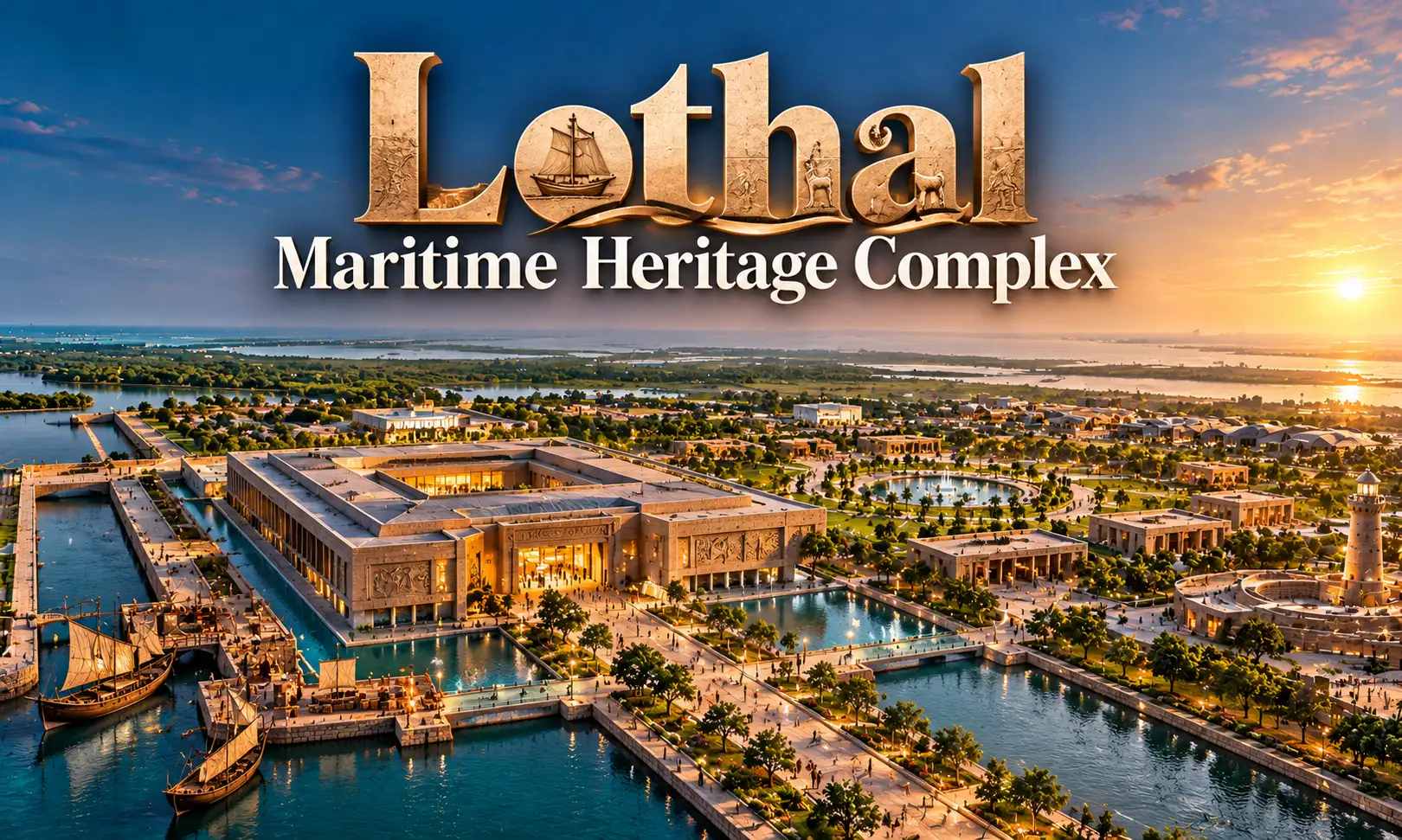

Long before modern ports and container ships, India’s coastline was busy with traders, boat builders, and merchants. Around 4,500 years ago, one of the world’s earliest known dockyards operated at Lothal, in present-day Gujarat.
Today, that story is being brought back to life. The Heritage Zone at Lothal is designed to let visitors walk through history rather than just read about it. It blends learning with entertainment, giving families, students, and history lovers a reason to explore India’s maritime roots.
Here’s what makes this zone worth your attention.
Why Lothal Matters in Indian History
Lothal was a thriving port town of the Harappan (Indus Valley) Civilization. Archaeologists believe it connected inland settlements with sea trade routes reaching as far as Mesopotamia.
The town was known for bead-making, planned drainage, and an engineered basin many historians identify as a dockyard. This made Lothal a symbol of how advanced early Indian urban planning and trade really were.
Yet for most people, Lothal remains a name in textbooks. The Heritage Zone aims to change that by turning archaeological findings into an experience you can see, touch, and feel.
The Vision Behind the Heritage Zone
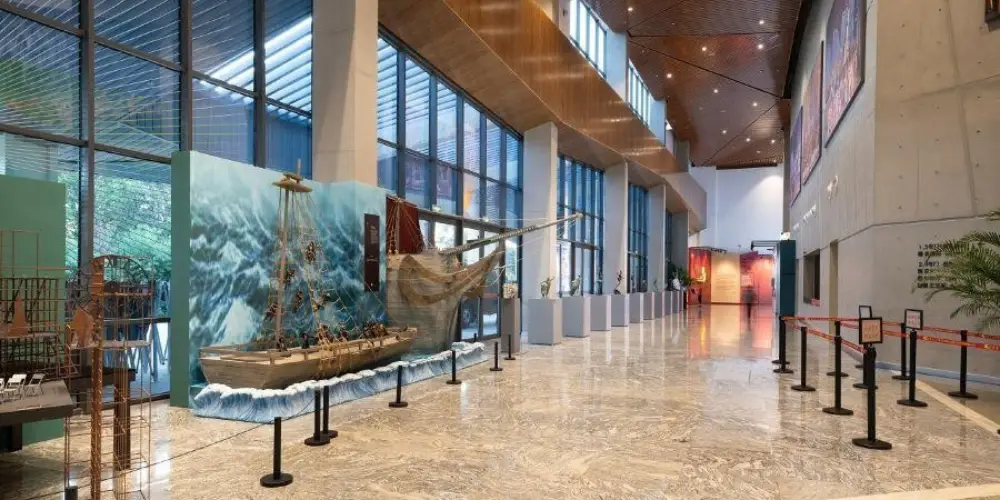
The core idea is simple: education should be engaging. Instead of glass cases and long plaques, the zone uses immersive environments to tell the story of the Indus Valley people and India’s seafaring tradition.
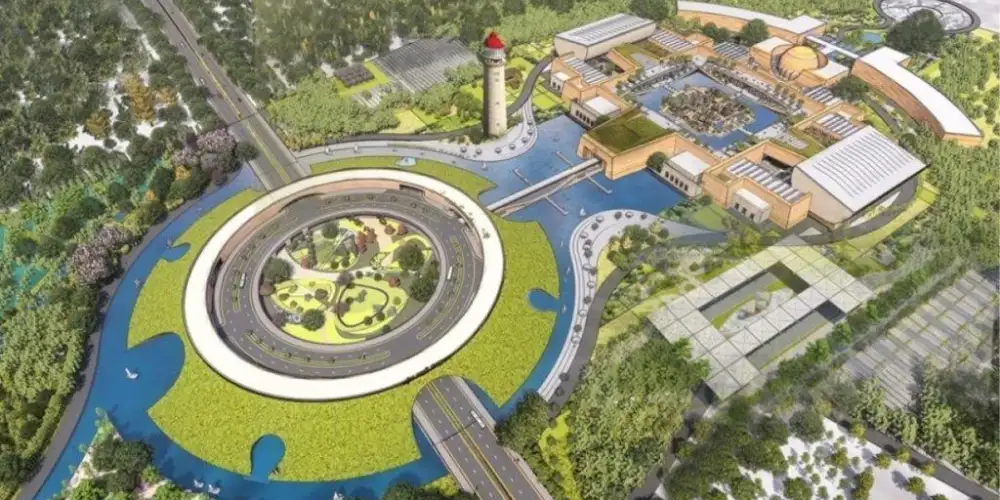
The plan has two major parts. At the center sits a recreated Lothal City with its dockyard. Around it, a ring of Coastal States Pavilions will showcase the maritime culture of India’s coastal regions.
Together, they connect the ancient past with the living traditions of today’s coastal communities.
Lothal City: A Full-Scale Journey into the Past
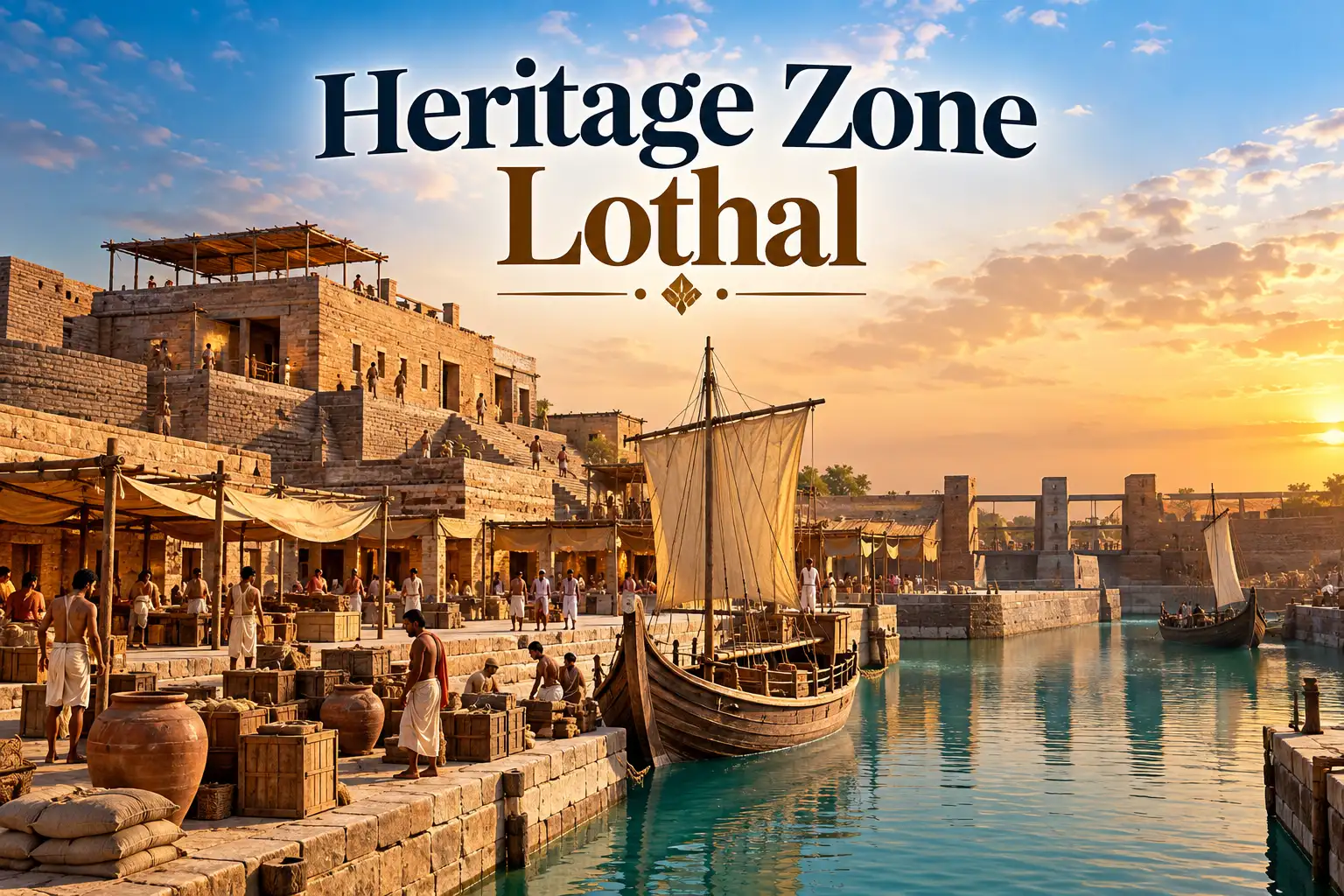
The highlight of the Heritage Zone is a life-size, 1:1 scale recreation of Lothal. Visitors won’t just look at a model. They’ll walk through streets and structures designed to reflect how the original city was laid out.
The recreation is planned to include the key sections that defined the ancient town:
- The Acropolis – the elevated area believed to house the ruling or administrative class
- The Middle Town – a residential and working zone
- The Lower Town – home to artisans, traders, and craftspeople
- The Dockyard – the engineering marvel that made Lothal famous
- The Warehouses – where goods were stored before trade
Architectural renders show stone-textured walls, shaded courtyards with bamboo frameworks, and walkways alongside replica wooden ships. The design balances authenticity with visitor comfort, so the experience feels both real and accessible.
Walking past a docked ship and warehouse stalls, visitors can imagine the busy trade life of a Harappan port town.
Coastal States Pavilions: India’s Shoreline in One Place
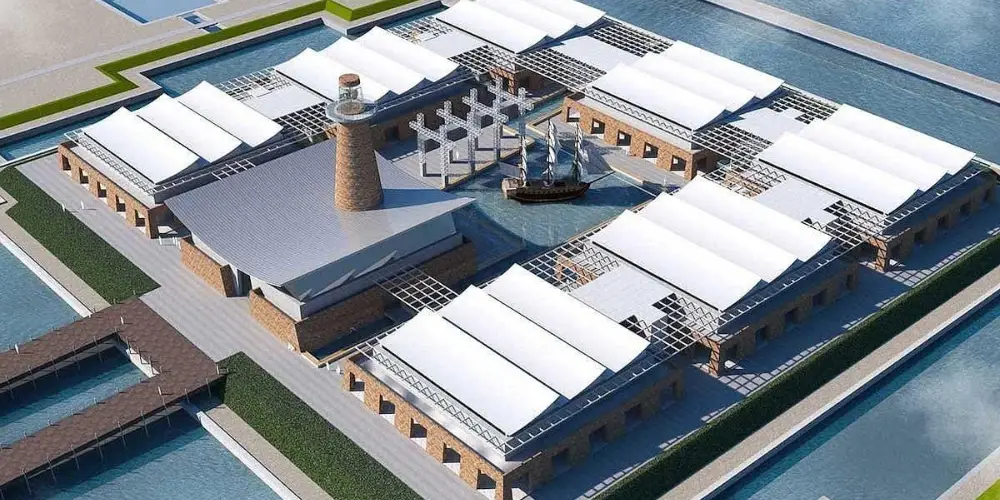
Surrounding the recreated city will be the Coastal States Pavilions. These are planned as state-sponsored spaces, each representing one of India’s coastal states and union territories.
Every pavilion will be themed around its region’s identity, including:
- Local architecture and building styles
- Culture and daily lifestyle
- Maritime heritage and seafaring history
- Traditional ship and boat building
- Regional food and cuisine
So, in one visit, you might move from Gujarat’s trading heritage to Kerala’s backwater boats, Odisha’s ancient sea voyages, or Goa’s coastal flavours.
Night-time renders show glowing facades, lanterns, and lively plazas, hinting that the pavilions could become vibrant cultural spaces after sunset too.
Learning Through Workshops and Storytelling
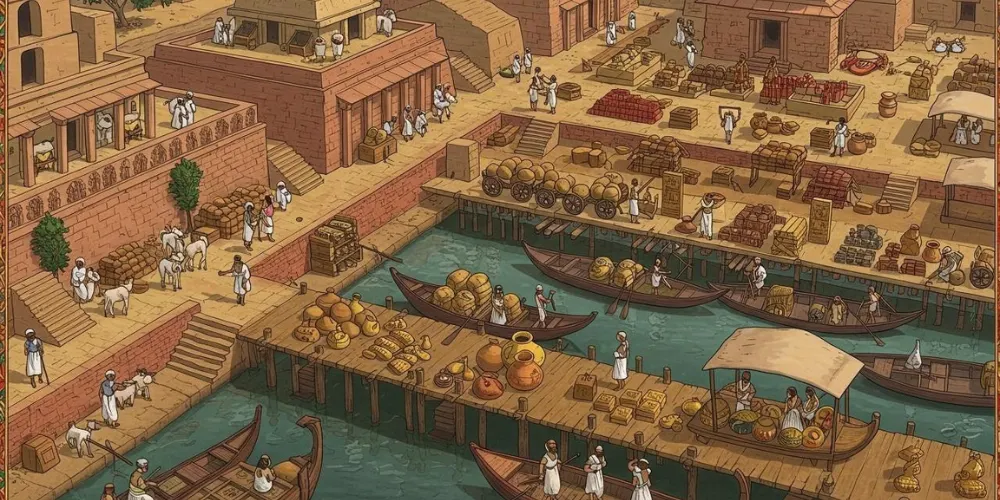
What sets this zone apart is its focus on participation. The pavilions are expected to share heritage through workshops, narratives, and entertainment rather than static displays.
Visitors could watch traditional boat-building techniques, hear stories of ancient voyages, or sample coastal dishes. For students, this turns a history lesson into a memorable field trip.
For craftspeople and coastal communities, it creates a platform to showcase skills that are often at risk of fading away.
What Visitors Can Expect
The Heritage Zone is built for a wide audience. History enthusiasts get depth and detail. Families get a fun, walkable outing. Students get hands-on learning that complements the classroom.
Photographers and travelers will likely enjoy the mix of ancient-style architecture and lively cultural spaces, both by day and under evening lights.
Most importantly, visitors leave with a better sense of how deeply the sea has shaped India’s economy, culture, and identity for thousands of years.
Final Thoughts
The Heritage Zone at Lothal is more than a tourist attraction. It’s an effort to reconnect India with one of its oldest and proudest stories: its relationship with the sea.
By recreating Lothal at full scale and surrounding it with vibrant coastal pavilions, the project bridges 4,500 years of history. It invites everyone to step into the past and celebrate the coastal traditions that still thrive today.
If you love history, culture, or simply a unique travel experience, this is one destination to keep on your radar.
Frequently Asked Questions
It is being developed at Lothal in Gujarat, the site of an ancient Harappan port town.
Lothal is known for having one of the world’s earliest known dockyards and for its role in Indus Valley sea trade.
Yes. It is envisioned as a 1:1 scale replica of the ancient city.
The Acropolis, Middle Town, Lower Town, Dockyards, and Warehouses.
They are state-sponsored pavilions showcasing the architecture, culture, food, and maritime heritage of India’s coastal states and union territories.