
Dholera is often called India’s first greenfield smart city. Most people know it for its wide roads, industrial zones, and investment potential. But a city is only as strong as the care it gives its people.
That is why the planned multi-specialty hospital in Dholera is such an important development. It is not just another building. It is a promise that people who live and work here will have access to quality healthcare close to home.
In this blog, we look at what the hospital will offer, why it matters, and how it adds value to the Dholera Special Investment Region (SIR).
1. Why Healthcare Matters in a Smart City
Smart cities are not only about technology and infrastructure. They are about quality of life. And healthcare sits at the heart of that.
When families decide where to settle, they ask simple questions. Is there a good school nearby? Is there a hospital I can reach quickly in an emergency? Will my parents get proper care?
For a new city like Dholera, answering these questions is essential. Industries bring jobs, and jobs bring people. Those people need reliable medical services from day one.
A well-equipped hospital builds trust. It tells residents, workers, and investors that the city is planned for real life, not just for business.
2. What the Dholera Multi-Specialty Hospital Will Offer
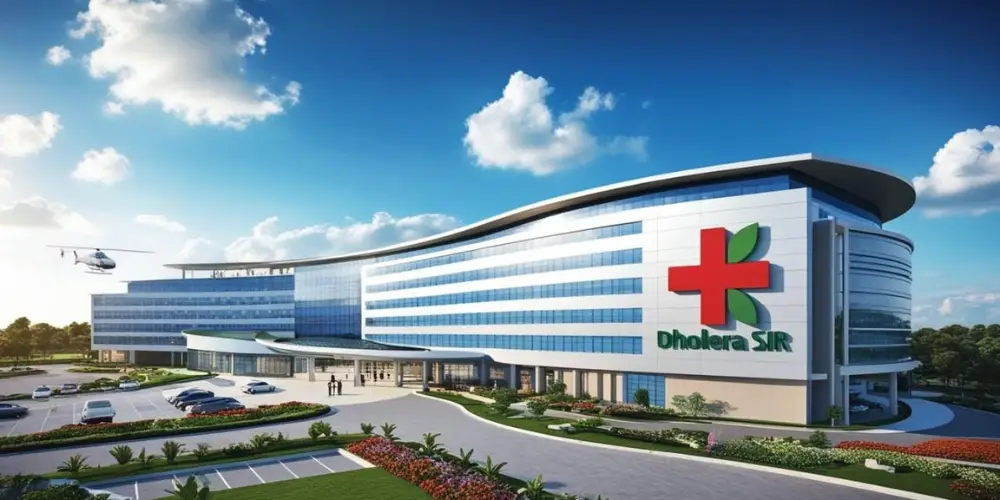
The hospital is designed to provide complete, top-tier medical care under one roof. Its key facilities include:
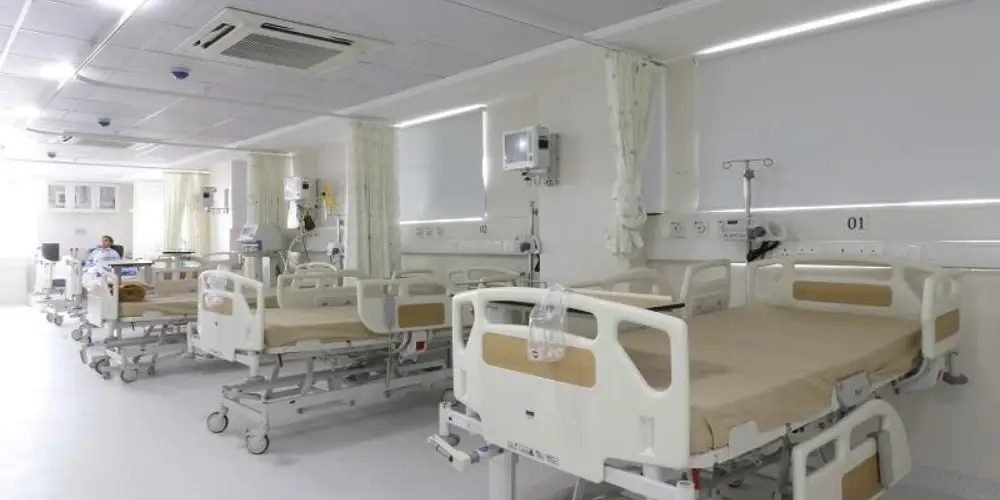
Intensive Care Unit (ICU): Critical care for patients who need constant monitoring and advanced life support.
Outpatient Department (OPD): Consultations, check-ups, and follow-ups without the need for admission.
Emergency Services: Round-the-clock response for accidents, sudden illness, and urgent medical situations.
Specialized Wards: Dedicated spaces for different medical specialties, so each patient gets focused care.
Together, these facilities mean residents will not need to travel long distances for most treatments. That saves time, money, and in emergencies, lives.
3. A Modern Design Built for Patients
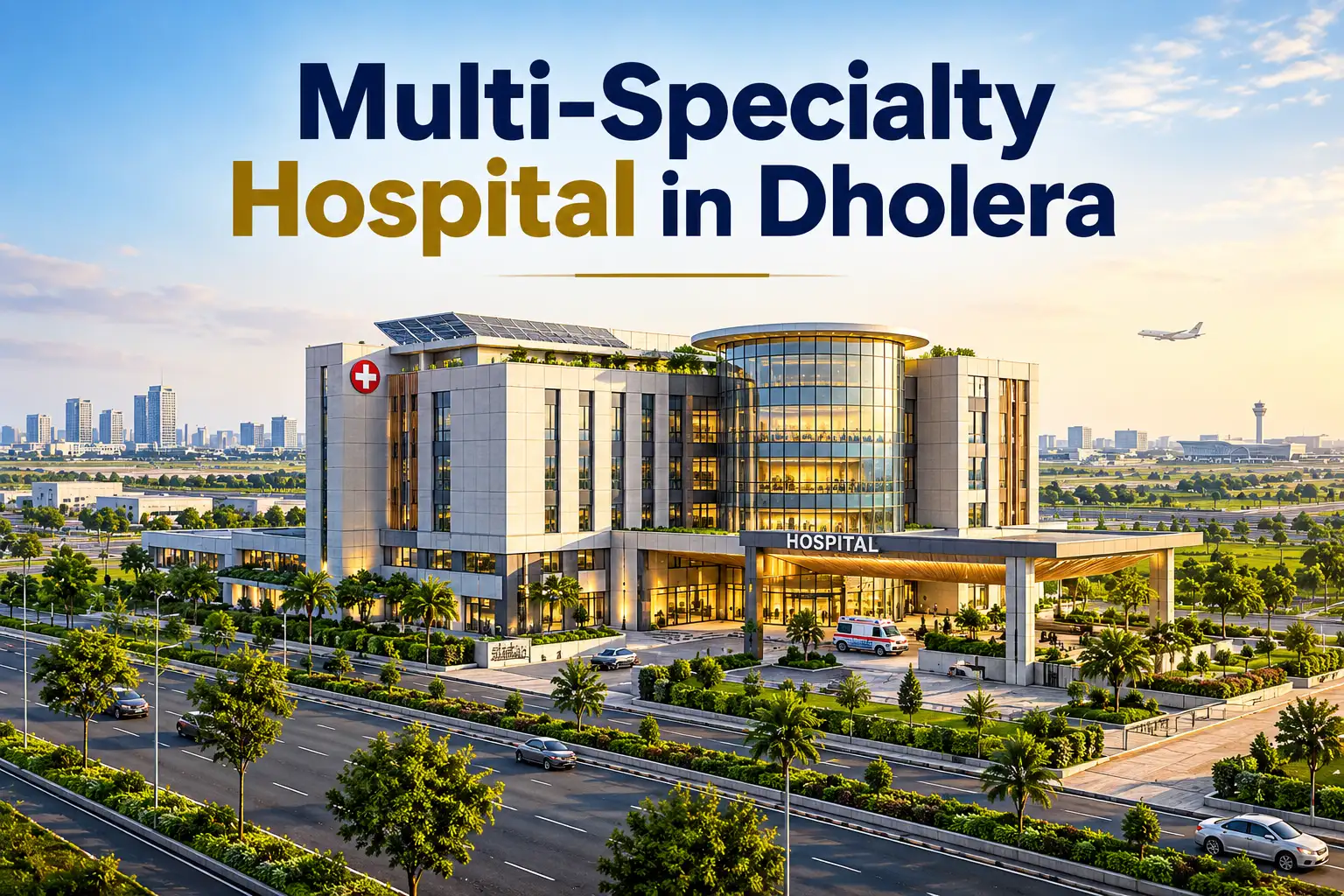
The rendered image of the hospital shows a thoughtfully planned, multi-storey structure. The design reflects the same modern vision that shapes the rest of Dholera.
A few features stand out:
Solar panels on the roof. The building appears to use rooftop solar energy. This fits Dholera’s focus on sustainability and renewable power.
Green surroundings. The campus is surrounded by trees and landscaped greenery. Green spaces are known to help patients feel calmer and recover better.
Easy road access. The hospital sits along a wide road with clear entry and exit points. Ambulances and visitors can reach it without hassle.
Natural light. Large windows and a striking circular glass facade let daylight into the building. This creates a brighter, more welcoming environment.
Good hospital design is not just about looks. It improves patient comfort, supports staff efficiency, and lowers energy costs over time.
4. Serving Residents and the Floating Population
One important point about this hospital is who it serves. It is meant for both residents and the floating population.
The floating population includes people who come to Dholera for work but may not live there permanently. This could be factory workers, construction teams, business visitors, and project staff.
As Dholera grows into a major industrial and logistics hub, this group will be large. Industrial work also carries a higher risk of injuries. Having emergency and trauma care nearby is a real safety net.
For permanent residents, the hospital means routine health needs can be handled locally. Pregnancy care, child health, chronic illness management, and senior care all become easier to access.
5. How the Hospital Boosts Dholera’s Growth
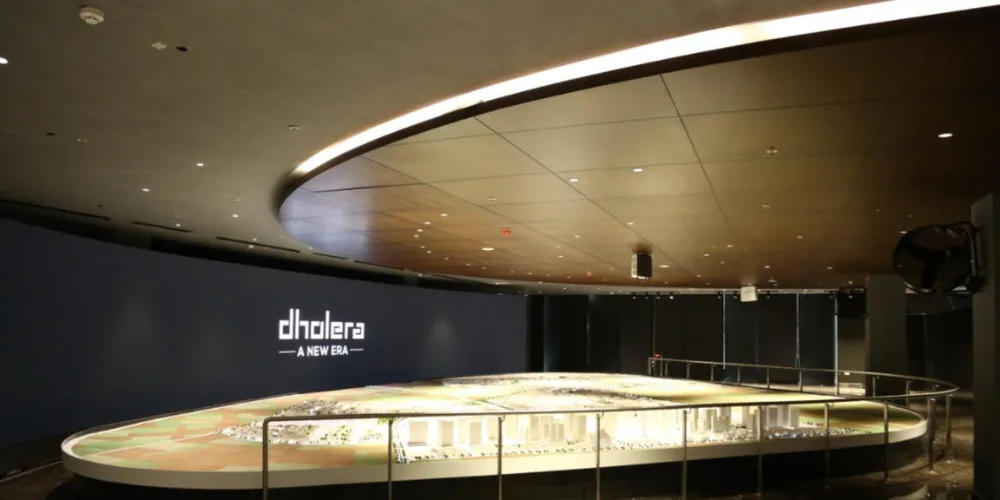
Healthcare infrastructure has a direct impact on a city’s development. Here is how the multi-specialty hospital supports Dholera’s growth story:
It attracts families. People are far more willing to relocate when quality healthcare is available nearby.
It encourages industries. Companies prefer locations where their employees are safe and well cared for. A good hospital makes Dholera more attractive to businesses.
It creates jobs. Hospitals employ doctors, nurses, technicians, administrative staff, and support workers. This adds to local employment.
It supports allied businesses. Pharmacies, diagnostic labs, and medical supply stores often grow around a major hospital.
It raises property appeal. Areas with strong social infrastructure such as schools and hospitals tend to be more desirable for homebuyers and investors.
In short, the hospital is not a standalone project. It is part of a larger ecosystem that makes Dholera livable and future-ready.
6. What This Means for Investors and Homebuyers
If you are considering land or property in Dholera, social infrastructure should be part of your checklist. Roads and industries drive early growth. But hospitals, schools, and parks decide whether people actually want to live there.
The planned multi-specialty hospital is a positive signal. It shows that the city is being developed with long-term living in mind.
That said, always do your own research. Check official updates from the Dholera Industrial City Development Limited (DICDL) and the Gujarat government. Look at project timelines, verify land titles, and consult a qualified advisor before investing.
A smart decision is always an informed one.
7. A Step Toward a Healthy, Thriving Community
The Dholera multi-specialty hospital reflects a clear vision: a city where growth and well-being go hand in hand.
With ICU facilities, OPD services, emergency care, and specialized wards, it aims to meet the medical needs of a growing population. Its sustainable, patient-friendly design matches the smart city spirit.
As Dholera moves from plan to reality, projects like this will shape how people experience the city. Good healthcare builds confidence. And confidence is what turns a new city into a home.