
Around 2400 BCE, cargo was being moved through a brick basin in what is now Gujarat. The Harappans who built it left no written account of how it worked. Four and a half millennia later, the state is spending heavily to make sure the rest of the world knows it existed.
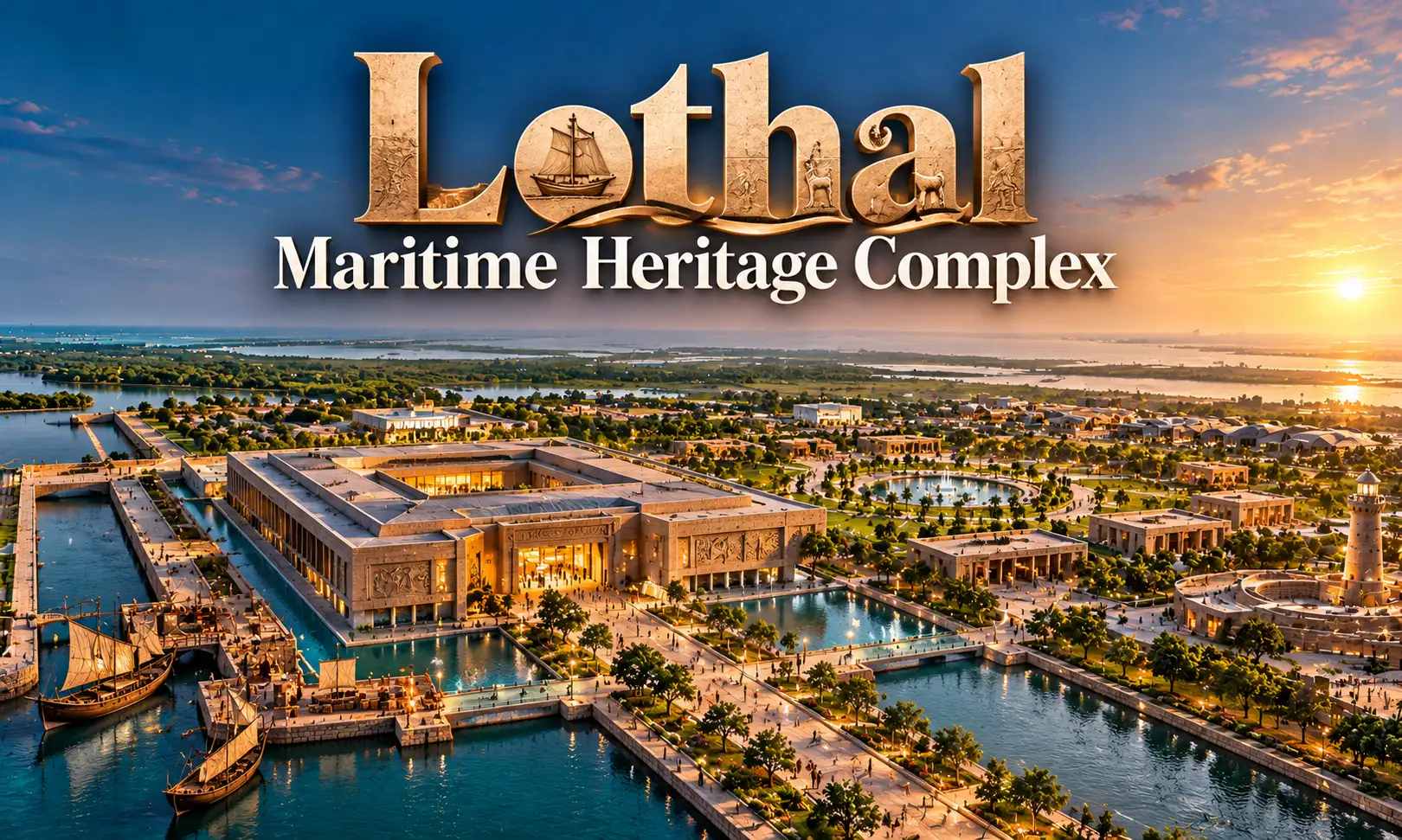
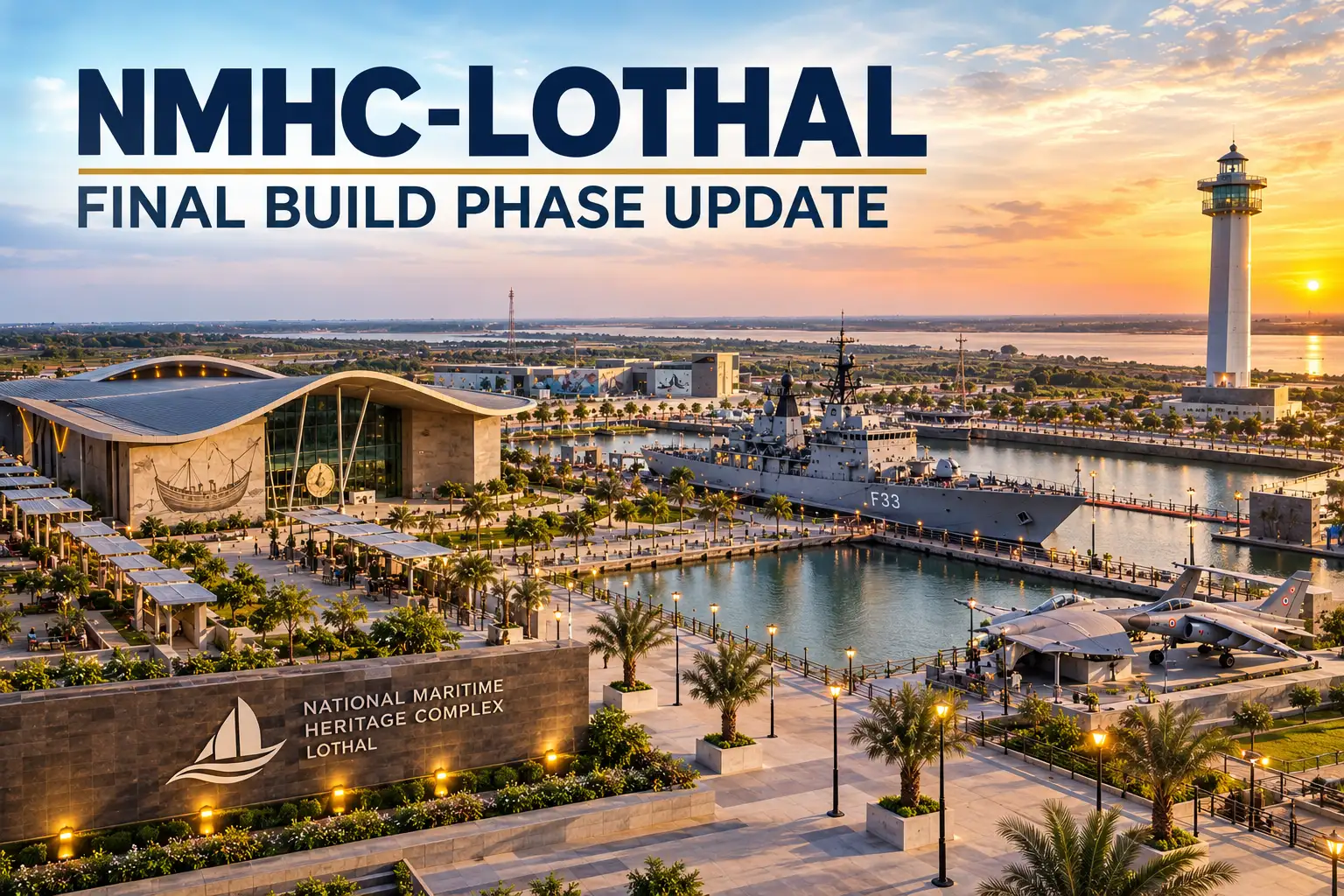
That effort has a name — the National Maritime Heritage Complex — and as of the second Governing Council meeting chaired by Union Minister for Ports, Shipping and Waterways Sarbananda Sonowal, it has crossed the point where the outcome starts to look certain.
Where the Build Actually Stands
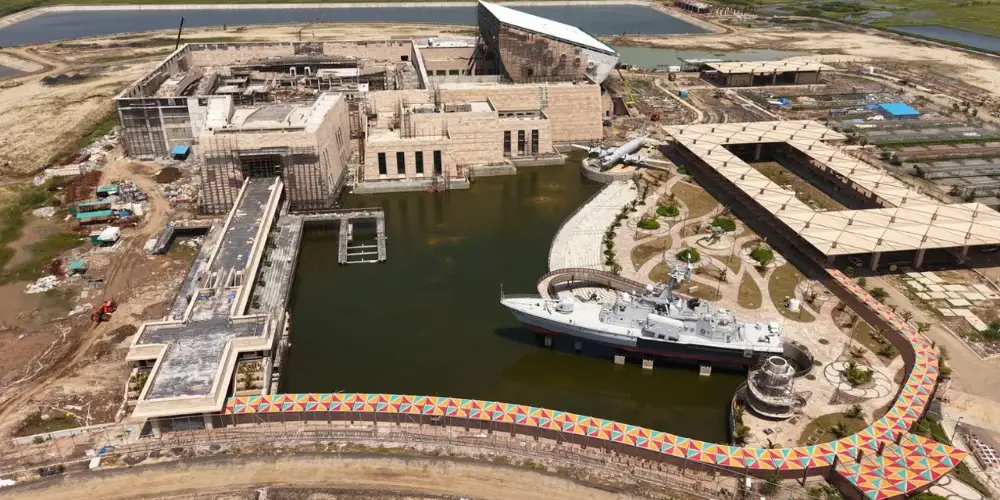
Phase 1A of NMHC Lothal has reached roughly 82 per cent physical progress. The revised completion target is October 31, 2026.
That last 18 per cent is not structural. It is the experience layer — the parts a visitor notices:
- Gallery 4 and Gallery 6
- The reconstructed Lothal Town
- Aquatic theming across the site
Sonowal instructed implementing agencies to keep strict supervision on site and hold the October date rather than let it slip again.
1,492 Artefacts, Currently Waiting
Here is a detail that rarely makes headlines but decides how a museum feels on opening day: 1,492 artefacts are already prepared for installation.
They are not in place yet. Approvals are pending, and the Minister pushed for those to be expedited so the exhibits are commissioned before visitors arrive — not retrofitted afterwards while the public walks past empty vitrines.
The Thirteen-Country List Is Not Random
Thirteen nations have signed MoUs with NMHC: Portugal, the UAE, Vietnam, Thailand, the Netherlands, Denmark, Oman, Israel, Germany, the Republic of Korea, Italy, New Zealand and Singapore. Talks with others continue, targeting more than 35 partnerships.
Read the list geographically and a pattern appears — the Gulf and Southeast Asia, which traded with Harappan and later Indian ports directly, and the European maritime powers that mapped the same waters centuries afterwards.
Each MoU is expected to enable:
- Exchange of artefacts, replicas and ship models
- Joint research programmes
- Cultural engagement and touring exhibitions
Sonowal framed the wider effect as strengthening India’s maritime diplomacy. A museum with three dozen foreign partners is also a standing conversation with three dozen governments.
It Stops Being a Museum in Phase 2
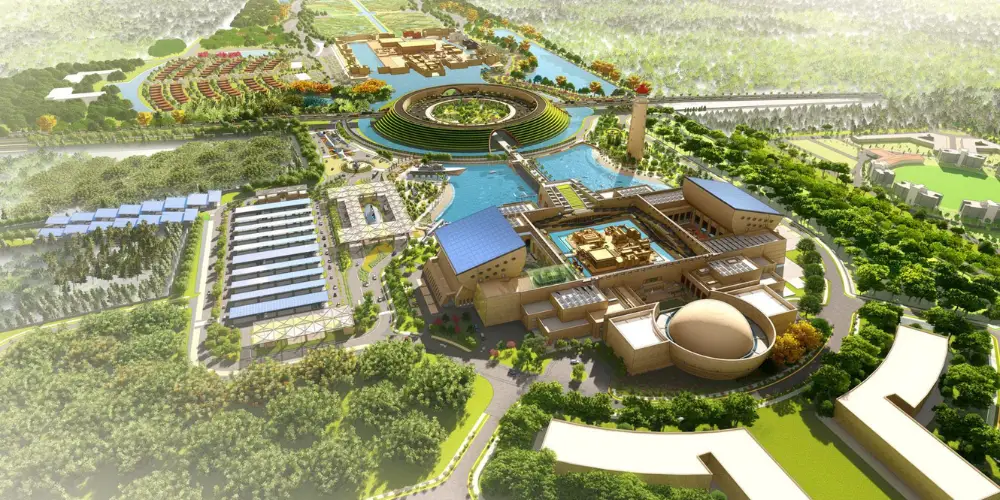
Phase 1B and Phase 2 change the nature of the site. Proposed components include a 5D Dome Theatre, a Coastal States Pavilion, a Lighthouse Museum, a Maritime Research Institute, a Museotel and an Eco Resort.
Two matter disproportionately.
The Lighthouse Museum, planned with the Directorate General of Lighthouses and Lightships, has the potential to be the tallest of its kind in the world — the sort of single feature that gives a destination a silhouette.
The Maritime Research Institute, developed with Indian Maritime University, does something quieter. It means Lothal will generate research rather than only display its results, which is the difference between an attraction and an institution.
Roads, Rail and the Dig Next Door
None of this works if visitors cannot reach it. The supporting infrastructure has moved in step.
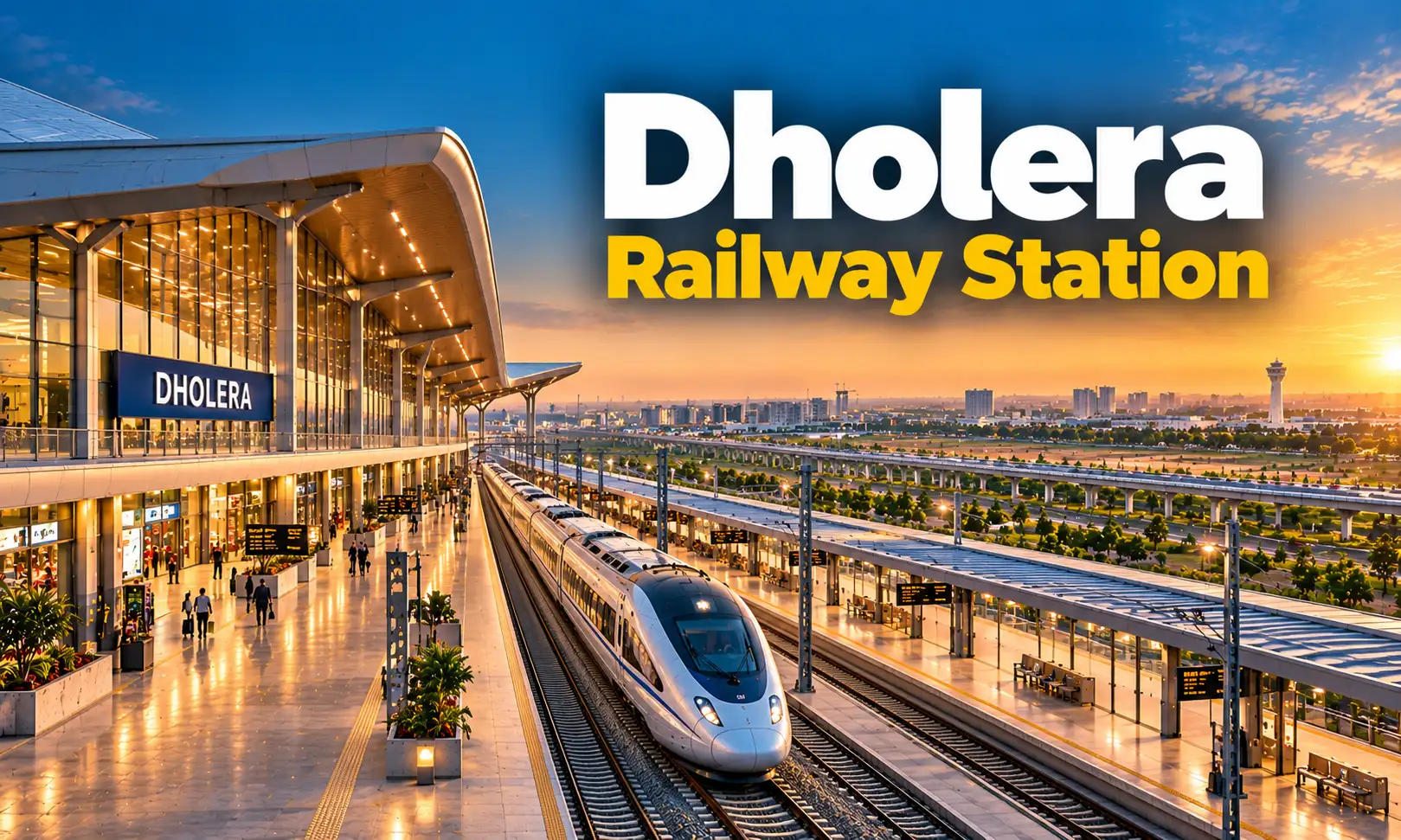
The Dholera Expressway is complete. The high-speed rail corridor plan has been finalised. The Gujarat government is handling connectivity, power, water supply and visitor amenities.
At the same time, the Archaeological Survey of India has pushed excavation at Lothal to about 70 per cent. Visitors will be able to see an active dig beside the interpretive galleries — a live site, not a static one.
The Paperwork That Keeps It Running
The NMHC Society has completed its statutory registrations: income tax exemption, CSR and Darpan.
CSR registration is the one worth flagging. It opens corporate funding as a recurring source, which is how complexes of this size stay maintained long after the ribbon is cut. The Council also approved the NMHC Bye-laws, giving the Society a governance framework for its shift from construction project to operating institution.
Sonowal’s Framing
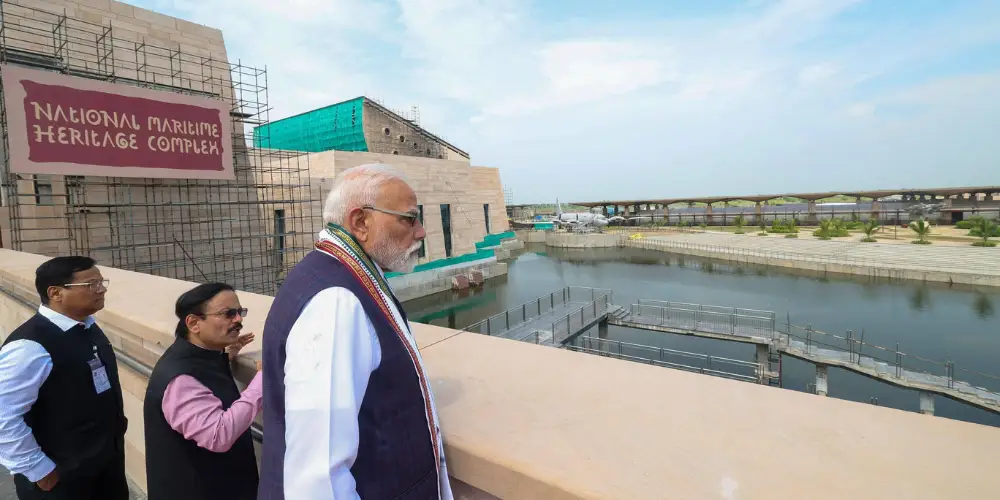
The Minister credited Prime Minister Narendra Modi’s direction for the project’s momentum, describing NMHC as among the most significant cultural and maritime initiatives the Government of India has undertaken.
“Under the dynamic leadership of Prime Minister Modi, we are not just building a museum at Lothal, we are reviving five thousand years of India’s maritime civilisation and presenting it to the world,” he said.
He also thanked the NMHC team, IPRCL, the Gujarat government, the Indian Navy, IMU, major ports and partner ministries for their work so far.
The Question Nobody Asks Yet
Opening day is the easy part. Large museums typically draw strong footfall in year one and then flatten.
What could keep Lothal from that pattern is the mix already designed into it — a working excavation next door, a research institute producing new material, and dozens of international partners capable of rotating exhibitions through. Those are reasons to come back, not just reasons to come.
Whether that materialises depends on the same thing the last 18 per cent depends on: follow-through after the deadline stops being urgent.
FAQs
The National Maritime Heritage Complex at Lothal, Gujarat — a museum and research complex built around the ancient Harappan dockyard.
Phase 1A has crossed roughly 82 per cent physical progress.
The revised target for Phase 1A is October 31, 2026.
Portugal, the UAE, Vietnam, Thailand, the Netherlands, Denmark, Oman, Israel, Germany, South Korea, Italy, New Zealand and Singapore. The goal is 35-plus partnerships.
A 5D Dome Theatre, Coastal States Pavilion, Lighthouse Museum, Maritime Research Institute, Museotel and Eco Resort.