

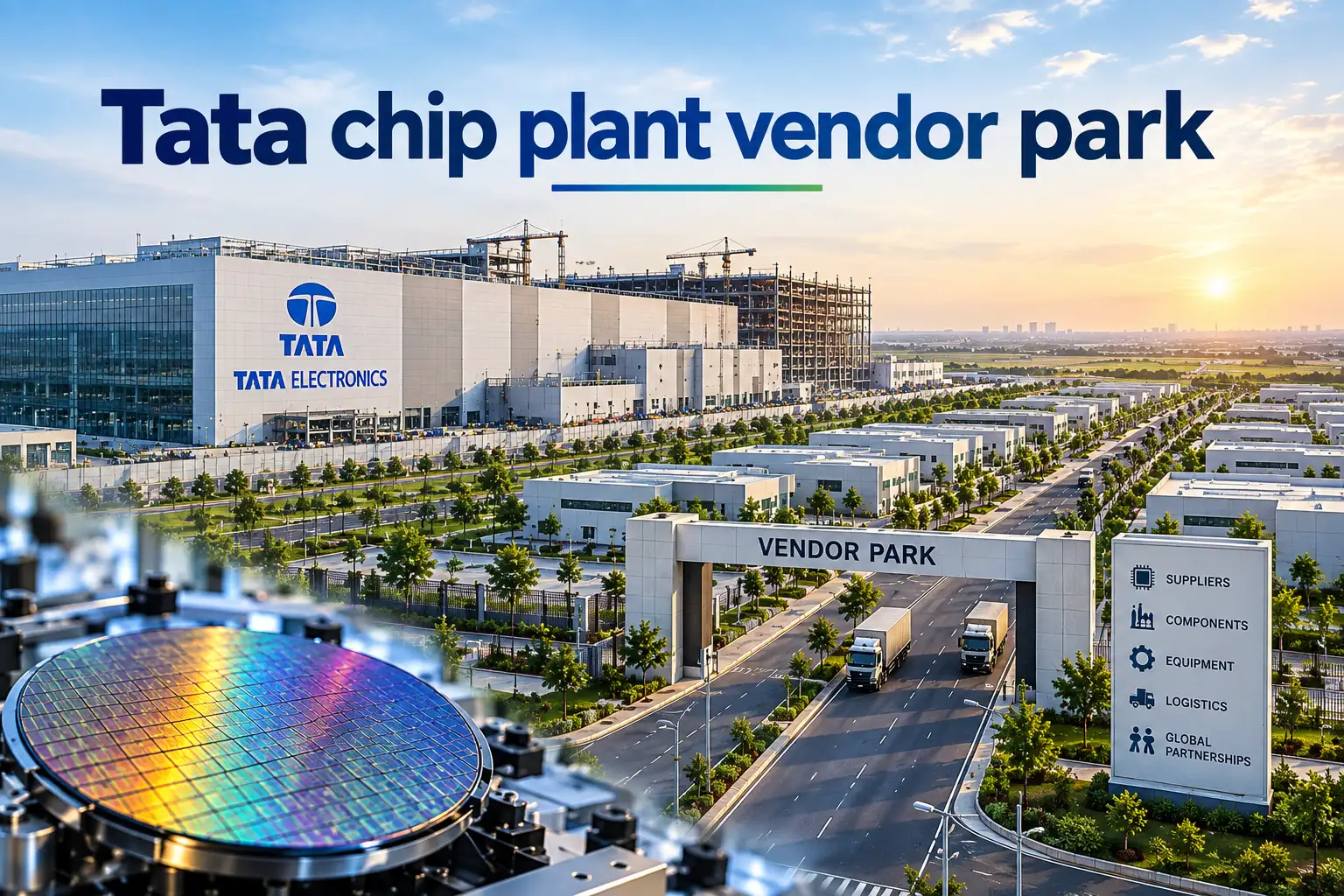
A chip plant is only as strong as the suppliers around it. Tata Electronics understands this well.
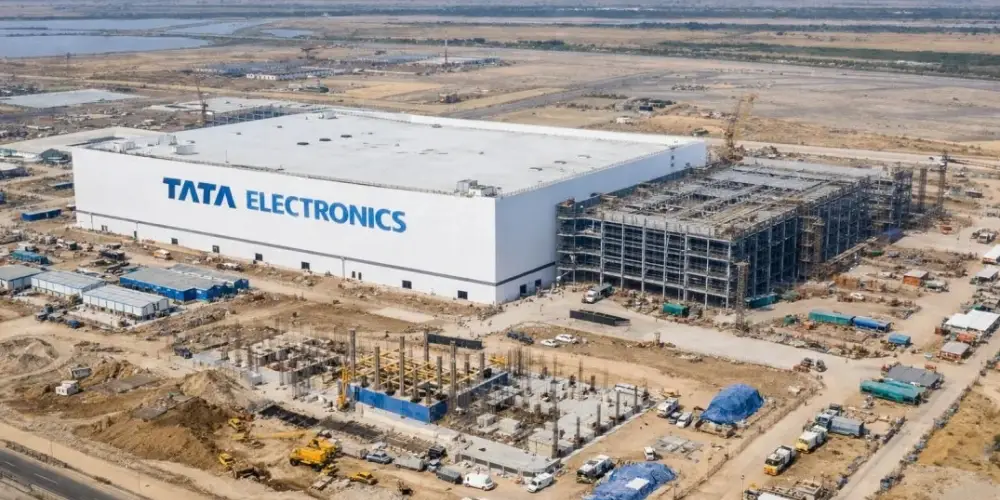
The company has announced that its semiconductor fab in Dholera, Gujarat, will be backed by around 450 suppliers. To house them, a 363-acre vendor park is being built right next door.
The news came at the SEMICON India conference, alongside a string of partnerships with global and Indian companies.
The Big Announcement: A 363-Acre Vendor Park
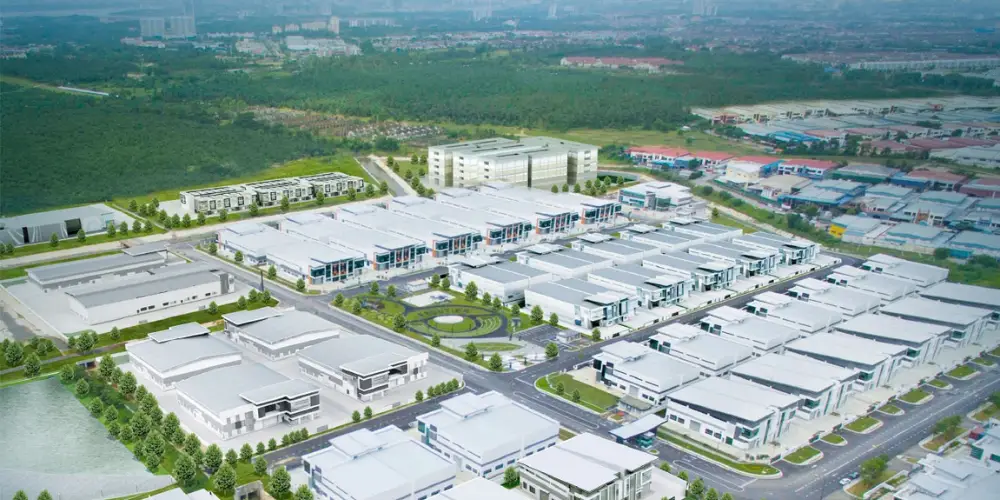
The headline news is the vendor park. Tata Electronics is developing it with a reputed developer from Singapore.
An official said the park will follow a plug-and-play model. International vendors will be able to acquire land inside the park directly.
This removes one of the biggest hurdles foreign companies face in India. Finding land, securing approvals, and building infrastructure often take years. Here, much of that work will already be done.
Singapore’s involvement adds weight. The city-state is known for building world-class industrial parks for electronics and semiconductor firms.
What Plug-and-Play Really Means
The term “plug-and-play” is not just a buzzword here. It describes exactly what vendors will get.
Power, water, utilities, and roads will be ready before suppliers arrive. In some cases, even the shell of the buildings will be provided to interested parties.
For a supplier, this means less upfront spending and a much faster start. They can move in, install their equipment, and begin serving the fab quickly.
For Tata, it means its supplier network can take shape in step with the fab itself, rather than lagging behind.
It also sends a clear message to global vendors: India is ready to make their entry simple, predictable, and quick.
Why 450 Suppliers Must Be Close to the Fab
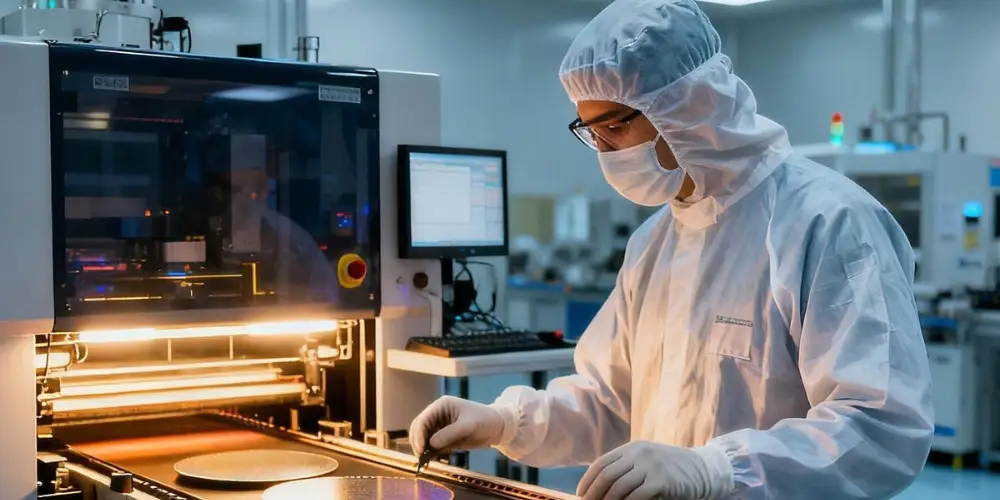
Chipmaking is unforgiving. A modern fab runs around the clock, and every minute of downtime is costly.
The official explained that repair and maintenance support, spare parts, chemicals, and gases must all be built into the local infrastructure. The aim is to keep the “mean time to repair” very short.
Put simply, when a machine fails, help must arrive fast. Waiting for parts to be shipped from abroad could halt production for days.
Having suppliers nearby delivers several benefits:
- Faster repairs and less downtime.
- Reliable access to specialty chemicals and gases.
- Lower logistics costs and fewer import delays.
- A growing industrial cluster that draws more investment.
This mirrors the proven model of chip hubs in Taiwan, South Korea, and Japan.
Seven Pacts That Strengthen the Supply Chain
Tata Electronics signed seven agreements at the event. Each one plugs a different gap in India’s semiconductor value chain.
Nexperia – Covers wafer fabrication, assembly and testing, technology collaboration, and ecosystem development to boost supply chain resilience in India.
Fujifilm – Focuses on localising critical raw materials and building a resilient materials supply chain around the Dholera fab.
Besi – Strengthens advanced packaging at Tata’s Jagiroad facility in Assam and supports India’s OSAT ecosystem.
Semiconductor Laboratory (SCL) – Joint work on chip design, process technologies, supply chain localisation, and talent development.
Gati Shakti Vishwavidyalaya – Builds skills in semiconductor manufacturing, infrastructure, project management, and supply chain operations.
Together, these pacts cover materials, technology, packaging, research, and talent.
CEO Randhir Thakur: Projects Are “On Track”
Tata Electronics CEO Randhir Thakur said the company would sign 16 agreements at SEMICON India. The partners span Europe, Japan, Singapore, and India.
He also confirmed that the Dholera fab and the Assam packaging facility are “on track.” Both are meeting the scheduled commitments made to the government.
This matters. Semiconductor projects worldwide often slip due to equipment shortages and technical hurdles. Staying on schedule builds trust with suppliers and investors.
The Rs 91,000 Crore Foundation
Behind all of this sits a massive investment. The Dholera chip manufacturing unit is being built at a cost of around Rs 91,000 crore.
It is India’s first large commercial chip fab, developed with Taiwan’s Powerchip Semiconductor Manufacturing Corporation (PSMC) as technology partner.
The vendor park ensures this investment is protected. A fab of this scale cannot afford to depend on distant suppliers.
What It Means for India
India has long been strong in chip design but weak in manufacturing. The Tata chip plant vendor park could help close that gap.
The benefits reach well beyond one company. Thousands of direct and indirect jobs will be created. Global suppliers setting up in Dholera may go on to serve other Indian fabs and electronics makers.
The partnerships with SCL and Gati Shakti Vishwavidyalaya tackle the talent shortage head-on. And Dholera itself could grow into a major industrial hub.
There is a strategic angle too. Global chip shortages during the pandemic showed how risky it is to rely on a handful of countries for semiconductors. A local fab with a local supplier base makes India’s electronics industry far more resilient to such shocks.
Challenges remain. Attracting global vendors, ensuring stable utilities, and training workers at scale will take time. But with projects on track and partners signing on, the foundation looks solid.
If the plan succeeds, Dholera may become the centre of India’s semiconductor story.
Frequently Asked Questions
In Dholera, Gujarat.
It covers 363 acres.
Around 450 suppliers.
Tata Electronics, with a reputed Singapore-based developer.
Around Rs 91,000 crore.