


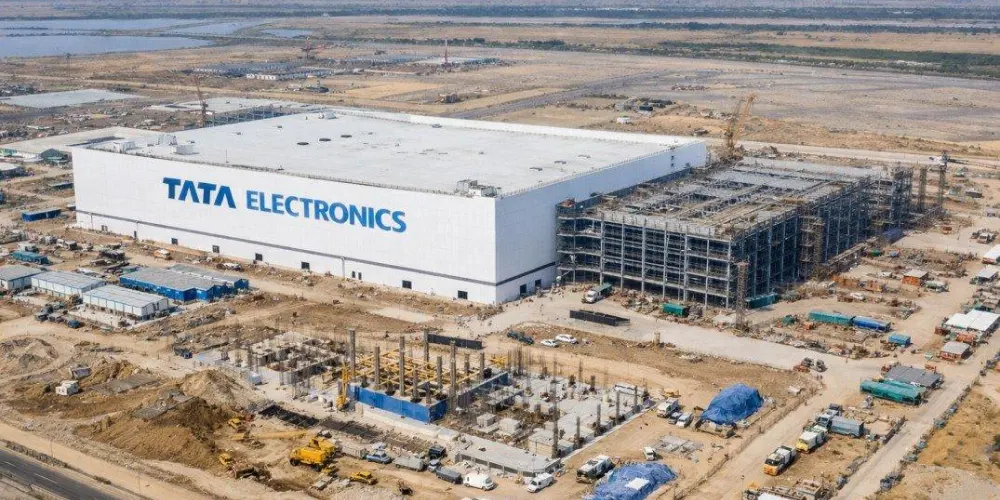
Tata Electronics is reportedly in early-stage discussions with US materials science firm Entegris for specialty chemicals and process solutions at its upcoming semiconductor fabrication plant in Dholera, Gujarat. Nothing has been signed — but the conversation itself says a lot about how India’s first commercial fab is being assembled, piece by piece.
What’s Actually on the Table
According to people aware of the development, the talks are exploratory and sit at different stages of maturity. Entegris is described as one of several firms Tata Electronics is engaging with in the specialty chemicals and gases space. Queries sent to both companies had not been answered at the time the report was published.
Treat this as a signal of intent, not a done deal.
Who Is Entegris?
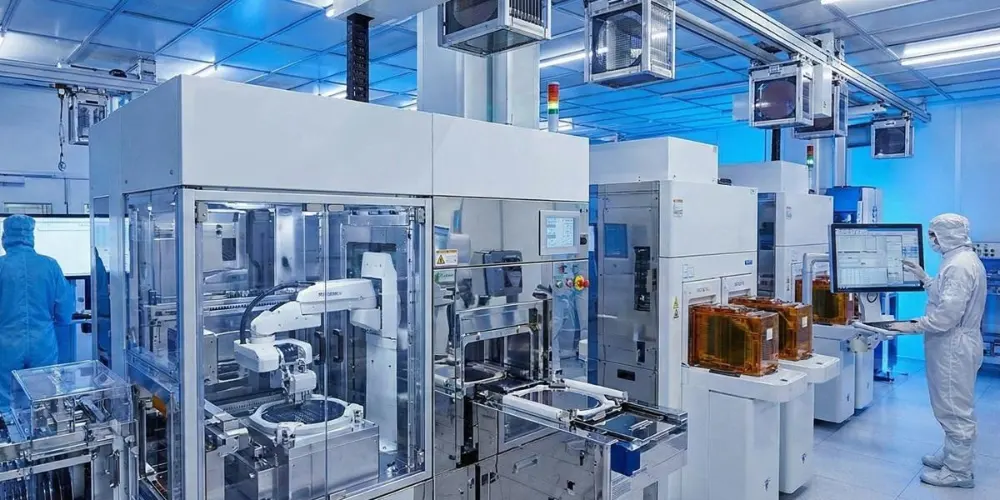
Headquartered in Billerica, Massachusetts, Entegris supplies advanced materials and process solutions to the semiconductor industry and other high-tech manufacturers. Its core competencies include:
- Microcontamination control
- Critical materials handling
- Advanced process materials and delivery systems
In plain terms: Entegris doesn’t make the chemicals a fab consumes so much as it makes sure those chemicals arrive pure, stay pure, and get where they need to go.
What Entegris Actually Provides a Fab
The company’s product footprint inside a wafer fab covers four broad buckets:
- Filters that purify process gases, fluids and the ambient fab environment
- Liquid systems that dispense, control, analyse or transport process fluids
- Gas delivery systems that safely store and deliver toxic gases
- Materials for chemical vapour deposition and atomic layer deposition processes
Why This Layer of the Supply Chain Matters
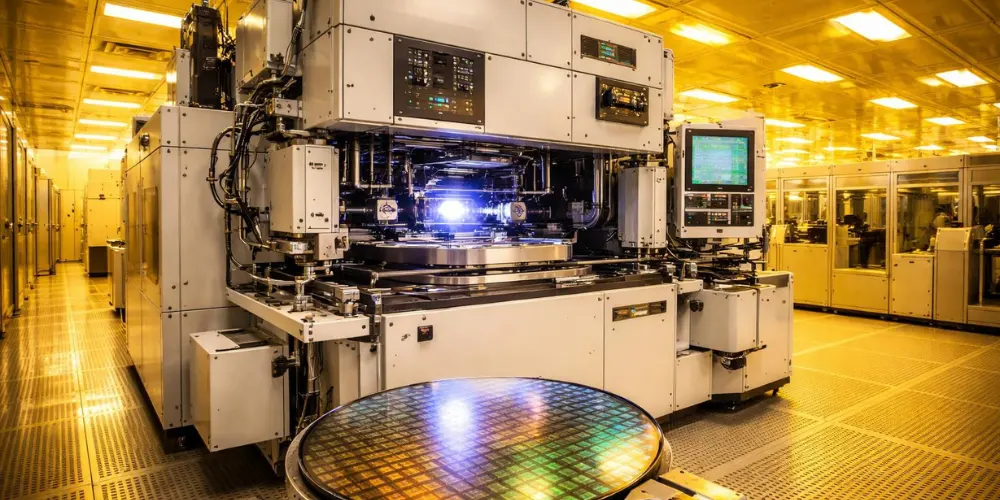
Analysts place Entegris in the critical materials and contamination-control layer of the chip supply chain — downstream of bulk chemical and gas production, upstream of the finished wafer, and adjacent to but distinct from the equipment OEMs.
That positioning is the whole point. As Neil Shah, VP of research at Counterpoint Research, explained, a fab runs on ultra-pure chemicals and gases from suppliers such as Merck, Linde and Entegris. Those materials then have to be safely and purely integrated by companies like Entegris, Camfil, Swagelok, Danaher and Brooks Automation before they can be fed into expensive wafer fab equipment from ASML, Applied Materials and Tokyo Electron.
Skip a step in that chain and you don’t get lower yields. You get no yield.
Tata’s Existing Materials Partner
So far, the only partnership Tata Electronics has confirmed in this space is with German chemicals major Merck. An Entegris agreement, if it materialises, would extend the bench rather than replace it — bulk materials from one set of partners, purification and handling infrastructure from another.
Why Dholera Raises the Stakes
Dholera is India’s first commercial wafer fabrication plant, being built by Tata Electronics in partnership with Taiwan’s Powerchip Semiconductor Manufacturing Corporation (PSMC) under the India Semiconductor Mission. Fabs of this scale don’t run on equipment alone — they need a continuous, contamination-free supply of specialty chemicals and gases from day one.
Building that supplier ecosystem takes years of lead time. Which is exactly why these conversations are happening now, well before the first wafer moves.
What to Watch Next
A few markers worth tracking over the coming quarters:
- Whether the Entegris talks convert into a formal agreement or MoU
- Which other specialty chemicals and gas suppliers Tata signs alongside Merck
- Whether any of these partners commit to local manufacturing or blending facilities in India
- How much of the materials supply chain gets localised versus imported
The last point may be the most consequential. A fab that imports every drop of its process chemistry is a fab with a long, fragile supply line.
The Bigger Picture
India’s semiconductor push has been covered largely through the lens of fabs, subsidies and equipment. The materials layer gets far less attention and arguably matters just as much. Every serious chip-making geography — Taiwan, South Korea, the US — sits on a dense local ecosystem of chemicals, gases, filtration and handling suppliers.
Tata’s outreach to Entegris suggests that ecosystem-building has quietly begun.